


The US furniture industry entered 2026 with mixed signals, as flat demand, rising inventories and increasing cost pressures point to a challenging outlook, according to the latest Furniture Insights® report.
January figures show new orders up just 1 percent month-on-month and flat year-on-year, while shipments remained unchanged from December but fell 7 percent compared to January 2025. Backlogs also held steady, indicating limited momentum across the sector at the start of the year.
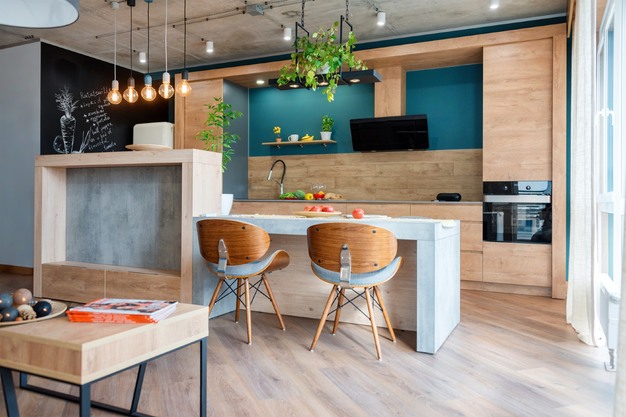 © Magryt | Dreamstime
At the same time, operational pressures are building. Inventories rose by 7 percent compared to December and 9 percent year-on-year, while receivables increased by 15 percent month-on-month. Payroll costs climbed 8 percent from the previous month, although overall employment levels were slightly down compared to last year.
On the demand side, consumer confidence edged up marginally in March, with the index reaching 91.8. However, expectations for the future declined, reflecting concerns around inflation, trade and geopolitical instability. As noted, "Consumer confidence ticked up again in March… nonetheless, the Index has been on a general downward trend since 2021."
Rising inflation expectations, driven in part by higher oil prices and tariff-related costs, are beginning to influence consumer behaviour. Plans to purchase big-ticket items shifted more towards caution, although furniture remains one of the most consistently cited categories for future spending.
Housing trends provide a mixed backdrop. Existing home sales increased modestly by 1.7 percent month-on-month, supported by improving affordability, while new home sales declined significantly, down 17.6 percent from December and 11.3 percent year-on-year. Given the close link between housing activity and furniture demand, this divergence adds further uncertainty to the sector outlook.
The report also highlights growing cost challenges linked to geopolitical developments, particularly the Iran conflict. Rising transportation and material costs, especially foam—are already impacting supply chains, with availability constraints adding further pressure.
Despite these headwinds, some indicators remain stable, including consumer confidence and improving housing affordability. However, ongoing uncertainty around tariffs, inflation and interest rates continues to shape business sentiment.
As the report concludes, the combination of geopolitical risks, cost volatility and uneven demand suggests that "2026 could be shaping up to be another bumpy ride" for the furniture and interiors industry.
More information and full report can be seen at Smith Leonard.