

Renewed volatility across oil, metals and raw materials markets is creating fresh uncertainty for the global interiors and furniture industry, as ongoing geopolitical tensions surrounding Iran and the Strait of Hormuz continue to impact production and logistics costs.
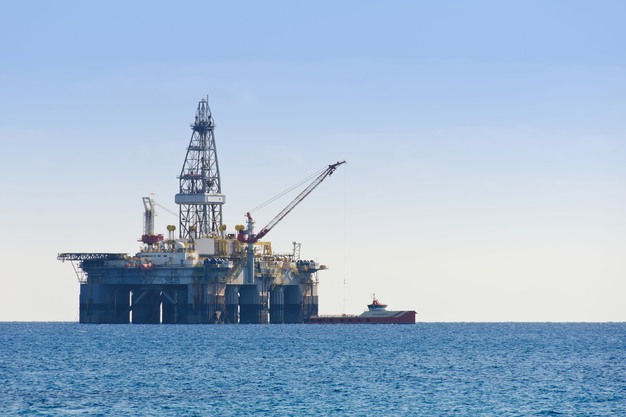 © Andriy Markov | Dreamstime
According to analysts at ING Group, oil prices remain highly sensitive to developments in the Middle East, despite a temporary ceasefire between the US and Iran. While fears of immediate supply disruption have eased, the market remains vulnerable due to declining inventories and instability surrounding shipping routes through the Strait of Hormuz, one of the world's most critical energy corridors.
Rising costs pressure interiors manufacturing
For the interiors and furniture sector, fluctuating energy prices have direct implications across manufacturing, transport and materials sourcing. Rising fuel and electricity costs continue to affect production facilities, logistics networks and international shipping rates, placing additional pressure on already fragile margins across furniture, kitchens, bathrooms and home décor categories.
The report also highlighted ongoing volatility in metals markets, particularly copper, which remains highly exposed to geopolitical risks and energy-driven inflation. Copper prices trading above $13,000 per tonne could continue to impact manufacturers of lighting, kitchens, appliances, bathroom fittings and furniture hardware, where the material plays a central role in both functional and decorative applications.
Materials and supply chains under strain
At the same time, elevated energy costs are likely to influence the pricing of ceramics, glass, steel, aluminium and engineered materials commonly used throughout the interiors industry. Manufacturers operating in Europe may face additional pressure as production-intensive sectors continue to navigate higher utility costs alongside weaker consumer demand in some markets.
The report also points to increasing pressure on global supply chains. Saudi Arabia's shift in crude export logistics away from the Persian Gulf toward Red Sea routes demonstrates how geopolitical instability is already reshaping transportation flows and increasing operational costs. For furniture and interiors brands dependent on international sourcing and container shipping, this could contribute to longer lead times and renewed freight volatility.
Industry focus shifts toward resilience
While commodity markets remain highly headline-driven, the uncertainty is reinforcing the industry's growing focus on resilience, localisation and long-term material strategies. Many interiors and furniture companies have increasingly invested in regional manufacturing, sustainable materials and supply-chain diversification in an effort to reduce exposure to geopolitical shocks and fluctuating raw material prices.
Despite easing fears of immediate escalation, the sector continues to operate in a highly unpredictable economic environment, where energy, logistics and material pricing remain closely tied to global political developments.
More information:
ING
www.think.ing.com