

The government of Mozambique is moving to reduce exports of semi-processed wood and instead prioritise finished products such as furniture, doors, and parquet, in a bid to retain more economic value domestically.
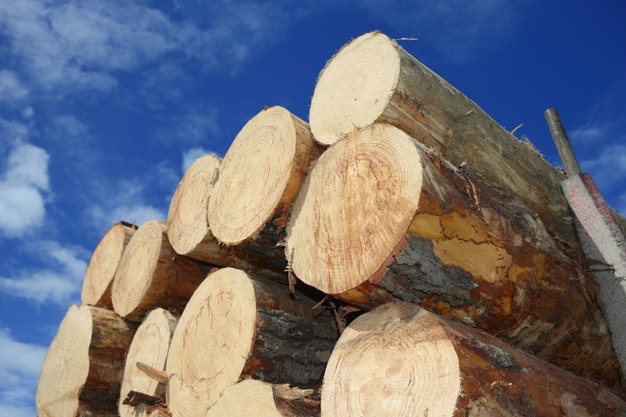 © Joseph Gough | Dreamstime
Speaking at the launch of the 2026 forestry campaign, Agriculture Minister Roberto Albino said the current export model is limiting the country's economic potential.
"We cannot continue to export planks and boards. This is exporting jobs and wealth that should remain in the country," he stated.
The proposed shift focuses on developing a more industrialised forestry sector, encouraging local manufacturing and positioning Mozambique as a producer of higher-value interior and construction products.
According to the government, the strategy is built on three key pillars: legality, transformation, and prosperity. The aim is to improve competitiveness while ensuring long-term sustainability within the sector.
For the interiors and furniture industry, the move signals potential growth in locally manufactured products, as well as increased opportunities for investment in production capacity and design capabilities.
However, challenges remain. The minister acknowledged ongoing issues with revenue distribution to local communities from forestry activities, which has led to tensions and distrust within the sector. Addressing these concerns will be key to ensuring the success of the transition.
The policy reflects a broader global trend, where resource-rich countries are seeking to move up the value chain by prioritising finished furniture and interior products over raw material exports.
Source: www.clubofmozambique.com