


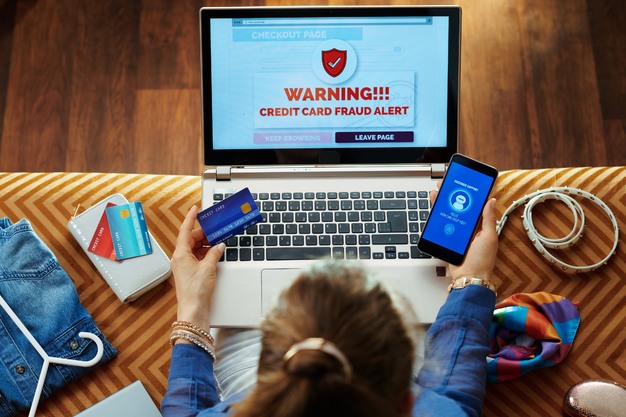
The number of cases of credit card fraud in the Netherlands is rising sharply due to a growing wave of fake websites that use artificial intelligence to make them look increasingly realistic. According to recent data, thousands of consumers have now fallen victim to scams via these online shops, which are often spread via social media platforms.
 © Kwantum Hengelo
The fraudulent online shops, mostly set up from abroad, use AI to recreate entire websites of existing brands. This includes misusing names of Dutch and international brands, while the underlying sites are not actually connected to these companies.
Researchers note that the ads circulate mainly through major platforms. A significant proportion of the investigated fraudulent online shops continue to actively advertise on social media, despite previous reports to the authorities.
Police investigations show that these websites lure consumers with heavily discounted prices and professional design. The National Internet Scam Reporting Point confirms that even apparent Dutch outlets, such as a counterfeit Asics webshop, are not legitimate.
According to cybercrime experts, there has been a marked increase in attempts to capture credit card data since 2025. "They are targeting individual consumers much more often." At the same time, experts warn that the actual number of victims is probably higher than official reports.
The Fraud Helpdesk reports a sharp increase in reports of payment data misuse. Whereas the number of incidents was previously several hundred per year, it has now increased several times.
According to experts, several factors play a role, including consumers' online buying behaviour and the ease with which AI tools can generate websites. They also point to the role of ad platforms and the limited monitoring of rogue ads.
Authorities advise consumers to be extra vigilant about unrealistically low prices, unknown domain names and missing company information when making online purchases.
 © Citalliance | Dreamstime
Source: The Telegraph