

Global oil prices have climbed above $100 per barrel following escalating geopolitical tensions in the Gulf, raising concerns across retail and supply chain sectors. The surge follows statements from Donald Trump signalling plans for a naval blockade of the Strait of Hormuz, a critical route for global energy shipments.
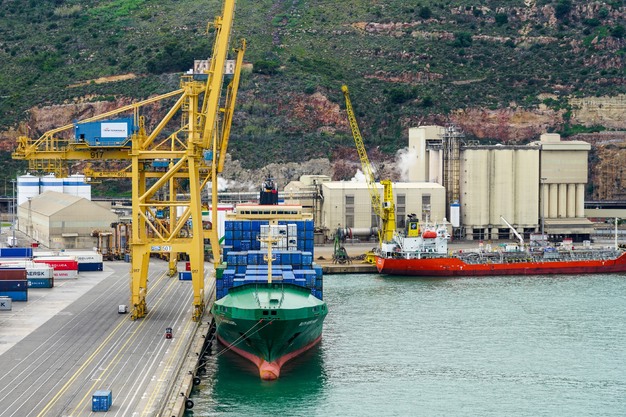 © Zigmunds Dizgalvis | Dreamstime
The move comes after stalled negotiations with Iran, with the United States confirming it would proceed with restricting maritime access in the region. The proposed blockade is expected to tighten control over shipping routes, intensifying fears of supply disruption in one of the world's most vital oil corridors.
Rising oil prices are likely to have a knock-on effect across industries, particularly in logistics-heavy sectors such as retail and home furnishings. Increased fuel costs typically translate into higher transportation and production expenses, adding pressure to already strained supply chains.
In the UK, Keir Starmer pushed back against suggestions of international military alignment, emphasising that diplomatic efforts remain the priority. He reiterated that the UK would not be drawn into military conflict, instead focusing on reopening the strait through lawful and negotiated means.
While discussions around reopening the waterway have offered some reassurance, market stability remains fragile. Industry observers warn that even if access improves, recovery will take time, with continued volatility expected in energy markets.
For retailers and manufacturers, the renewed spike in oil prices underscores ongoing exposure to geopolitical risk, with potential implications for costs, pricing strategies, and supply chain resilience in the months ahead.
Source: www.retailgazette.co.uk