


European flexible polyurethane foam manufacturers are facing what industry bodies describe as the sector's most severe supply chain crisis in modern history, as geopolitical tensions in the Middle East continue to disrupt global raw material flows.
According to the latest market update from EUROPUR, shipping through the Strait of Hormuz has collapsed to around 5% of pre-war levels following the ongoing US-Israeli conflict with Iran. The association said the situation has been worsened by Iranian attacks on commercial vessels and a parallel US naval blockade of Iranian ports.
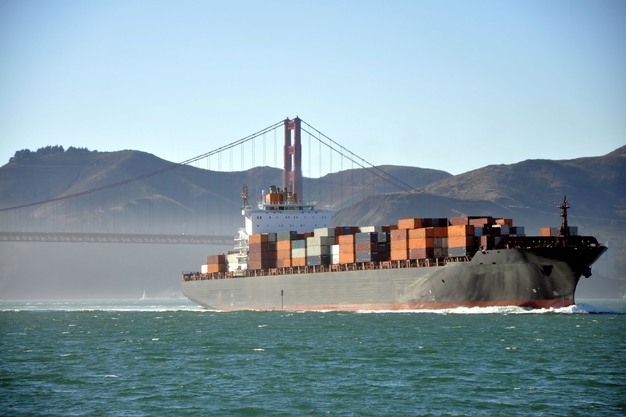 © Enrique Gomez Tamez | Dreamstime
The resulting disruption has driven Brent crude oil prices sharply higher, with prices reaching $126 per barrel on 30 April, more than 70% above pre-conflict levels. The World Bank has reportedly described the situation as the largest oil supply shock on record.
For European buyers of polyols, TDI and MDI, essential chemical components used in flexible polyurethane foam production, the crisis has fundamentally altered pricing and supply availability. Industry participants are facing rising feedstock costs, disrupted shipping routes, force majeure declarations across Asia-Pacific markets, and limited insurance coverage for cargo transport.
The most severe shortages are currently affecting polyether polyols, driven by reduced propylene oxide availability, European plant closures during 2025, and manufacturing outages in the United States.
Although global production capacity remains available, the industry warned that transportation constraints and raw material access are severely limiting manufacturing activity. The impact is now spreading into downstream sectors including mattresses, upholstery and furniture manufacturing.
Industry sources said that even if the Strait of Hormuz reopened immediately, global logistics disruption means supply chains are unlikely to stabilise before late 2026.
Source: LinkedIn.