


The European mattress retail market is navigating a period of structural change, with growth remaining uneven amid shifting demand and rising competitive pressures.
According to CSIL, the market is valued at €13.8 billion, representing approximately 52 million units and around 15% of global consumption. After a surge in 2021, the sector contracted in 2022 and 2023, followed by a modest recovery in 2024 and a slight decline in 2025, reflecting inflation, weak housing activity and subdued consumer confidence.
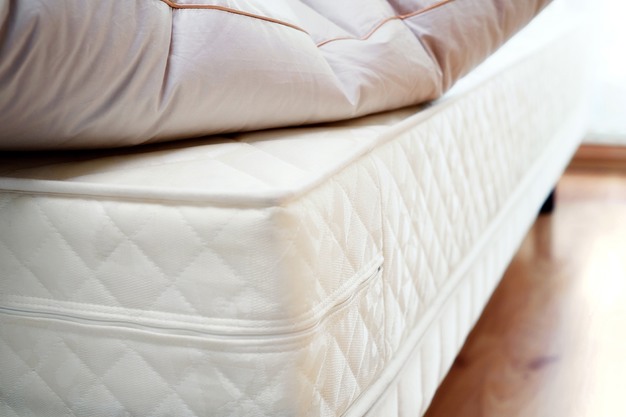 © Frui | Dreamstime
The market remains highly integrated across the EU, with around 40% of production traded between member states. However, this structure is under increasing pressure from imports originating outside Europe, particularly from China, Türkiye and Serbia. These suppliers are gaining ground through price competitiveness, especially in the mass-market segment where brand differentiation is less pronounced.
Retail dynamics are also evolving. Large furniture chains such as IKEA and XXXLutz continue to expand their influence, while specialist retailers focus on service-led and premium positioning to protect margins. At the same time, e-commerce platforms, including Amazon and digital-native brands like Emma, are consolidating their role, particularly in entry-level segments.
The sector is also seeing increased consolidation through mergers and acquisitions, alongside the rise of omnichannel strategies and manufacturer-owned retail networks. As consumers prioritise wellness and personalised solutions, innovation in sleep technology is becoming a key differentiator in an increasingly competitive landscape.
Source: www.worldfurnitureonline.com