


The German Adhesives Industry Association has raised concerns over increasing pressure on the availability of key raw materials, as ongoing disruptions in global supply chains continue to impact the sector.
According to industry representatives, geopolitical tensions affecting major trade routes—particularly around the Strait of Hormuz, are intensifying the risk of supply shortages. A prolonged disruption in this region could significantly affect the flow of petrochemical intermediates, which are essential for adhesive production.
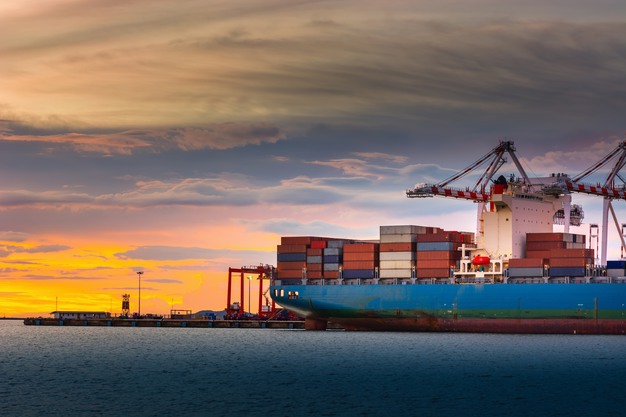 © Khwaneigq | Dreamstime
Several critical materials are already experiencing constraints. These include vinyl acetate monomer (VAM), a precursor for VAE and PVAc dispersions, as well as ethylene-vinyl acetate (EVA) used in hot melt adhesives. Additional shortages are reported for hydrogenated hydrocarbon resins and polyolefin polymers, both widely used in adhesive applications.
Limitations are also affecting polyester and polyether inputs required for polyurethane adhesives, alongside disruptions in solvent-based primers and adhesives. In parallel, volatility in plastics markets, particularly for polyethylene (PE) and polypropylene (PP), is creating further uncertainty across downstream industries such as packaging.
Industry experts note that these materials sit at a central point in the value chain, meaning supply interruptions can quickly cascade into production delays across multiple sectors. The adhesives industry, which supports a wide range of applications from construction to manufacturing, is therefore particularly exposed to fluctuations in upstream supply.
Ilaria Brillarelli of Wacker Chemie AG, who chairs the Raw Materials Working Group within the association, highlighted the urgency of the situation, noting that continued disruption could have immediate consequences for user industries reliant on stable material flows.
The association is calling for reliable regulatory frameworks and coordinated responses to help stabilise supply conditions and prevent further strain on production. As supply chain volatility persists, the sector is increasingly focused on resilience measures to manage risk and maintain continuity across the value chain.
Source: www.moebelfertigung.com