

Outdoor wellness is increasingly shaping residential design trends, with cold plunge tubs emerging as a central feature in contemporary backyard environments. The shift reflects a broader move away from traditional pool installations towards compact, therapy-driven water solutions focused on recovery, performance and relaxation.
Brands such as Hydro Systems are expanding their outdoor wellness offerings with hydrotherapy tubs designed for both hot and cold immersion. These systems support contrast therapy, a practice combining alternating temperature exposure to promote circulation and recovery, and are being positioned as multifunctional alternatives to conventional outdoor pools.
 © Hydro System
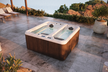
The company's outdoor range includes several models tailored to different wellness needs. The Cottonwood and Avila tubs feature integrated dual-temperature zones, allowing simultaneous hot and cold therapy for shared use. The Yellowstone model offers adjustable temperature control for either hot or cold immersion, catering to more personalised wellness routines. The Yukon is dedicated exclusively to cold plunge therapy, designed for individual recovery and circulation benefits.
A key driver behind the growing popularity of these systems is their accessibility and ease of installation. Unlike traditional pools, the units are self-contained and require no structural renovation. They can be installed directly into outdoor spaces, filled, and immediately used, making them suitable for patios, terraces and compact garden layouts.
The rise of cold plunge culture is closely linked to broader wellness trends prioritising recovery, stress management and preventative health. Once primarily associated with athletic training environments, cold immersion therapy is now being integrated into residential design as part of a wider lifestyle shift towards daily wellbeing rituals.
Manufacturers highlight the growing demand for outdoor spaces that function as private wellness zones rather than purely recreational areas. As a result, compact hydrotherapy solutions are increasingly being adopted in place of traditional large-scale swimming pools, particularly in urban and space-conscious residential developments.
This evolution signals a continued convergence between wellness, design and home infrastructure, with temperature-based hydrotherapy emerging as one of the most influential categories in outdoor living innovation.
More information:
Hydro Systems
[email protected]
www.hydrosystem.com