


U.S. import volumes remain relatively stable, but growing global shipping costs are beginning to place pressure on the furniture and home furnishings sector. According to the latest Global Port Tracker report, the conflict in the Middle East is not directly disrupting U.S. import flows, yet it is driving up fuel prices, an indirect but significant concern for retailers.
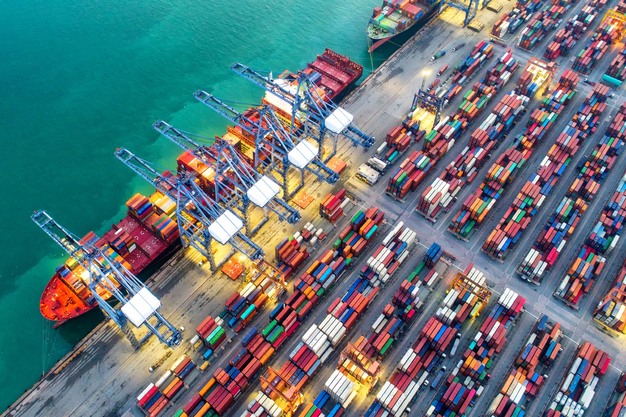 © Chantip Ditcharoen | Dreamstime
The blockage of key routes such as the Strait of Hormuz has increased global fuel costs for container shipping, raising the price of transporting goods. While the U.S. does not rely heavily on imports from the Middle East, the global nature of supply chains means higher costs are being felt across all routes. These increases are expected to translate into higher retail prices, potentially impacting consumer demand.
At the same time, U.S. import volumes are already facing headwinds. February 2026 volumes reached 1.95 million TEU, down both month-on-month and year-on-year, with forecasts suggesting a 1.8% decline for the first half of the year. Tariffs and ongoing trade policy uncertainty are also contributing to slower import activity and pricing pressure.
For the furniture industry, where logistics costs play a critical role, the combination of rising fuel prices and policy challenges creates a fragile environment. Retailers are working closely with logistics partners to mitigate disruption, but the broader outlook suggests continued volatility. Ultimately, even without direct supply interruptions, higher shipping costs are likely to ripple through the sector, reinforcing inflationary pressures and shaping purchasing behaviour in the months ahead.
Source: www.hfbusiness.com