


The US manufacturing sector continued to expand in March, but the furniture industry remained in contraction, highlighting ongoing divergence within the broader industrial landscape.
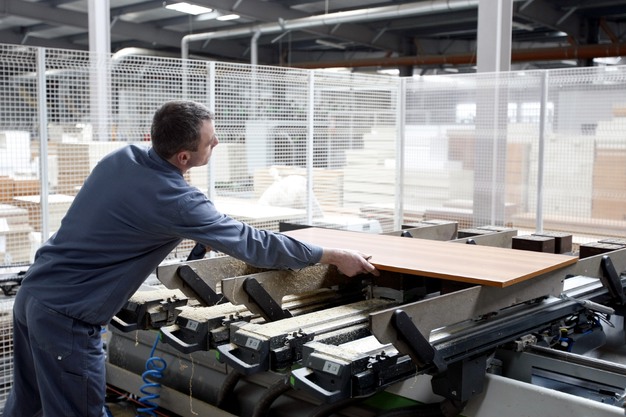 © Viorel Dudau | Dreamstime
According to the Institute for Supply Management, the Manufacturing PMI rose slightly to 52.7, signalling a third consecutive month of growth and the strongest performance since August 2022. However, furniture and related products failed to follow this upward trend, extending a period of weak performance.
The gap reflects uneven demand conditions, with industries such as fabricated metals continuing to grow while consumer-driven segments like home furnishings remain subdued. Wood products, a key upstream category for furniture, also stayed under pressure.
Rising costs are compounding the challenge. The ISM Prices Index surged to a near four-year high, driven by tariffs, supply disruptions and geopolitical tensions. For furniture manufacturers reliant on wood and metal inputs, these pressures are squeezing already tight margins.
While new orders and production across manufacturing remain positive, uncertainty persists. Some demand is believed to be front-loaded ahead of anticipated price increases, limiting visibility on sustained recovery.
Supply chain disruptions and cautious hiring further underline a fragile outlook for the furniture sector despite broader industrial resilience.
Source: www.furnituretoday.com