

Rising energy costs triggered by the ongoing Middle East conflict are beginning to ripple sharply through the European furniture and interiors sector, threatening both pricing stability and the pace of recovery in 2026.
Recent data shows eurozone inflation climbing from 1.9% to 2.5%, driven almost entirely by surging energy prices. Fuel costs alone have jumped significantly in recent weeks, with petrol prices rising by nearly 15% across Europe. While core inflation and food prices have remained relatively subdued for now, the broader implications for manufacturing and supply chains are becoming increasingly difficult to ignore.
 © Xxlphoto | Dreamstime
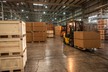
For the interiors industry, energy is not just a consumer expense, it is embedded across the entire value chain. From raw material extraction to production, transportation and final delivery, higher fuel costs are pushing up expenses at every stage. Manufacturers are already reacting. Suppliers are introducing fuel surcharges of around 5%, while factories—particularly in Asia, a key sourcing region for European buyers, are implementing price increases ranging from 5% to as high as 9%.
Material costs are rising in tandem. Key inputs such as MDF, solid wood, foam and paint have recorded increases of 15% to 20% in recent months. These hikes are directly linked to energy-intensive production processes and strained supply chains, both exacerbated by geopolitical instability.
For European furniture brands and retailers, the challenge is twofold. Firstly, higher import costs are squeezing margins at a time when consumer demand remains cautious. Secondly, there is a growing risk of "second-round effects," where sustained energy shocks begin to push up wages, logistics costs and ultimately retail prices. Industry expectations for selling prices have already reached their highest levels since early 2023.
Consumers, still sensitive after previous inflationary cycles, are bracing for another period of price pressure. This creates a delicate balancing act for retailers: passing on costs risks dampening demand, while absorbing them erodes profitability.
At the same time, supply chain uncertainty persists. Rising energy costs are raising concerns about potential factory shutdowns and delays, adding further volatility to an already fragile system.
In this environment, diversification strategies, such as multi-country sourcing and cost distribution across broader product ranges, are becoming critical. As the sector heads into key trading periods, the ability to manage cost pressures while maintaining competitive pricing will define resilience in the European interiors market.
Sources: Home Accents Today; ING