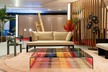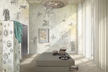


Liberty will present Soft Architecture, a collaborative installation with Milan-based designer Lorenza Bozzoli, during Milan Design Week 2026, offering a new perspective on the role of textiles in spatial design.
 © Liberty
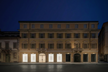
Hosted in Bozzoli's showroom apartment in Brera, the installation reimagines textiles as structural and experiential elements, moving beyond their traditional function as decorative surfaces. At its centre is a sculptural circular sofa composed entirely of cushions, forming an architectural object that blurs the boundaries between furniture, space and material.
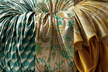
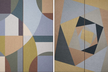
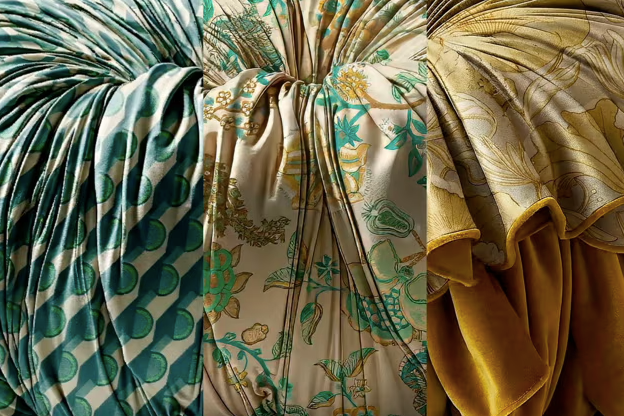
Drawing on Liberty's 150-year textile archive, the project transforms pattern and print into three-dimensional expressions. Fabrics are used to shape form, volume and movement, creating an immersive environment where every curve, fold and surface contributes to a cohesive spatial narrative.
The collaboration combines Liberty's heritage in textile design with Bozzoli's research-driven approach to materiality and form. Known for her work at the intersection of fashion, art and interiors, Bozzoli brings a tactile and sculptural dimension to the installation, positioning textiles as active agents in defining space.
Visitors are invited to engage directly with the installation, sitting, touching and interacting with the pieces, highlighting how soft materials can influence perception, comfort and spatial experience. The project reflects a broader shift in interior design towards more sensorial, flexible and human-centred environments.
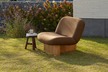
Alongside the installation, Lorenza Bozzoli Couture will debut new pieces, including sculptural armchairs crafted from woven straw, further exploring the relationship between material experimentation and architectural form.
Located at Piazza Castello in Milan, Soft Architecture will be open to the public by appointment from 22 to 24 April.
With this collaboration, Liberty extends its textile legacy into the realm of spatial design, reinforcing the growing role of fabrics within contemporary interiors, not only as aesthetic elements, but as structural components that shape how spaces are experienced and inhabited.
More information:
Liberty
www.libertylondon.com