

Currently, wood accounts for only a small share of construction, with estimates suggesting around 8–9% across the sector and higher levels in residential projects. Industry organisations argue this must rise sharply if climate targets are to be met, positioning timber as a key solution to reducing the sector's carbon footprint.
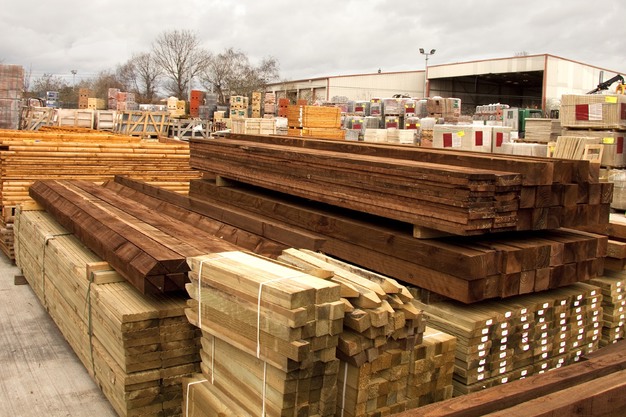 © Melonstone | Dreamstime
The push comes as construction remains responsible for a substantial share of CO₂ emissions, making material choice increasingly critical. Wood is viewed as a renewable, lower-emission alternative to traditional materials such as concrete and steel, and its use has already grown steadily in recent years.
However, the industry faces structural barriers. Regulatory requirements, particularly around fire safety and documentation, continue to slow adoption, while a lack of standardised solutions adds cost and complexity.
Despite these challenges, the sector sees strong long-term potential. Increased collaboration across the value chain and evolving climate regulations are expected to accelerate uptake.
For furniture and interiors, the shift signals growing demand for wood-based materials, reinforcing timber's role not only in construction but across the wider design and manufacturing ecosystem.
Source: www.wood-supply.dk