

The Light + Building 2026 trade fair in Frankfurt once again demonstrated the rapid pace of innovation in the lighting and building technology sectors. Held from 8 to 13 March, the event brought together 1,927 exhibitors from 49 countries and attracted 144,767 visitors from 143 nations.
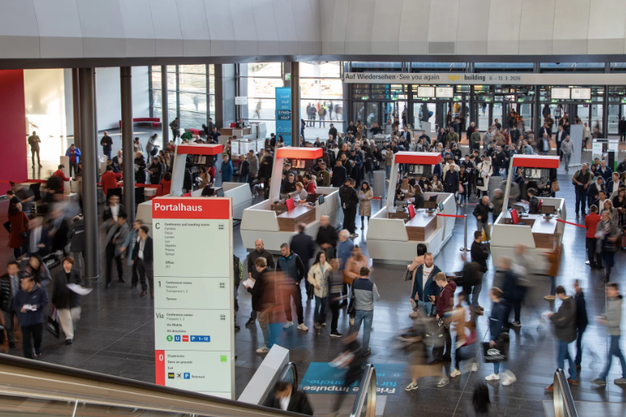 © Messe Frankfurt Exhibition GmbH / Jochen Günther
According to organiser Messe Frankfurt, the exhibition showcased a wide range of technological developments, including electrification, digital connectivity, artificial intelligence, bidirectional charging and connected lighting systems. These innovations reflect the growing integration between buildings, urban infrastructure and smart technologies.
"The event shows just how innovative and forward-looking this industry continues to be," said Wolfgang Marzin, President and CEO of Messe Frankfurt. "Personal encounters and direct exchange remain essential for driving dialogue, cooperation and new ideas."
Buildings evolving into active energy systems
One of the key themes at the fair was the transformation of buildings from passive energy consumers into active elements of intelligent energy systems. Technologies such as smart energy distribution, integrated charging management and bidirectional charging are increasingly linking buildings with the energy grid and electric mobility infrastructure.
Another major focus was the modernisation of existing buildings, with modular and scalable solutions designed to make energy retrofits easier and more cost-effective. Digital planning tools, multifunctional interfaces and secure charging infrastructure were also highlighted as essential components of future-ready buildings.
Lighting becomes data-driven and adaptive
In the lighting sector, the exhibition showed how lighting is increasingly evolving into a data-driven and adaptive system. Sensors, connected luminaires and AI-supported control systems enable lighting to automatically adjust to factors such as daylight levels, occupancy and specific usage scenarios.
These technologies are being applied across a wide range of environments, including homes, hospitality spaces, retail environments, industrial facilities and urban infrastructure.
At the same time, lighting remains a crucial element in interior and architectural design. Exhibitors presented luminaires that combine technological functionality with aesthetic qualities, using carefully tuned light colours and innovative materials to enhance spatial atmosphere and perception.
Design, AI and emerging talent
Alongside product innovations, the fair featured a broad programme of events focusing on design trends and emerging technologies. The Design Plaza in Hall 3.1 hosted discussions on lighting design developments, while the AI Lounge explored how artificial intelligence is transforming planning, operations and business models in building technology.
The Young Design area showcased experimental lighting concepts and new materials from emerging designers, while initiatives such as Women in Lighting and the ElektroHeldinnen programme promoted greater visibility and networking opportunities for women in the sector.
Light + Building also expanded its support for young professionals through the Power Festival, a programme aimed at apprentices and tradespeople that combined workshops, demonstrations and networking activities.
With 95% of visitors reporting satisfaction with the event, Light + Building once again confirmed its role as a key international meeting point for professionals in lighting, architecture, building technology and urban development.
The next edition of the trade fair will take place 5–10 March 2028 in Frankfurt.
More information:
Light + Building
www.light-building.messefrankfurt.com