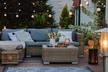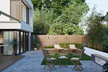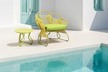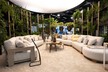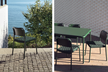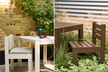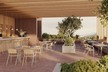


Outdoor spaces are increasingly being designed as natural extensions of the home, shaping the key garden furniture trends for 2026. Gardens, terraces and balconies are no longer viewed as secondary spaces but as fully functional living areas used for relaxation, socialising, work and everyday life.
 © Bialasiewicz | Dreamstime
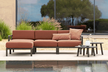
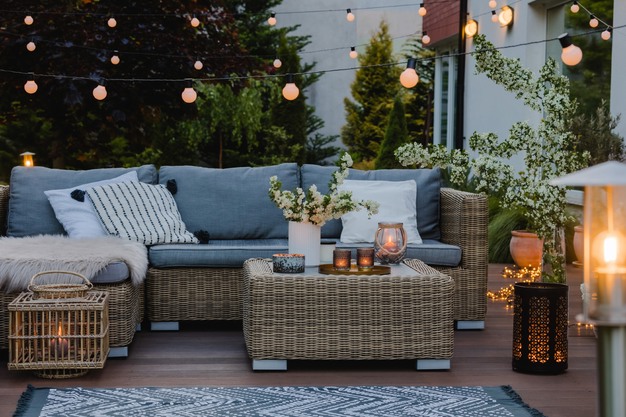
The concept of "outdoor living" continues to gain momentum, with manufacturers offering furniture that mirrors indoor comfort. Modular sofas, upholstered seating, dining sets and soft textiles inspired by living room interiors are becoming common features in outdoor environments. Colour palettes remain calm and natural, with tones such as beige, sand, olive and grey dominating designs.
Sustainability is also becoming a standard rather than a trend. Garden furniture is increasingly produced using certified wood, natural materials and recycled components. Materials such as teak, acacia, rattan and recycled aluminium are gaining popularity as consumers look for durable products with a lower environmental impact.
Flexibility is another important theme. Modular seating systems, multifunctional tables and adaptable furniture allow users to reconfigure outdoor spaces according to different needs, whether for dining, working or relaxing. Manufacturers are also designing collections suitable for multiple generations, focusing on ergonomic solutions and durable surfaces.
Urbanisation is influencing design as well. With more people living in smaller homes and apartments, compact furniture suitable for balconies and rooftop terraces is becoming increasingly important.
Technology is gradually entering outdoor spaces too, with smart lighting, automated irrigation systems and connected garden tools supporting comfort and convenience. Together, these trends reflect a shift towards outdoor areas that combine design, sustainability and functionality.
Source: www.biznes-meble.pl