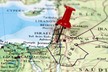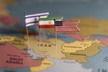


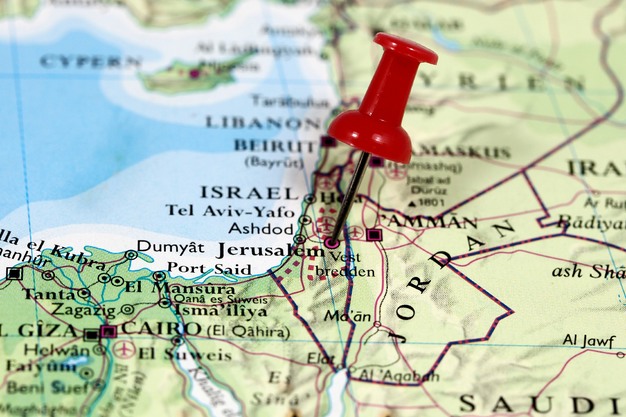
A rapid escalation of military conflict in the Middle East has the potential to reshape global markets and economies, according to a new report by ING. Coordinated strikes by the US and Israel against Iranian military, nuclear, and leadership sites, including the reported killing of Supreme Leader Ayatollah Khamenei, have dramatically altered the region's geopolitical landscape. Tehran responded within hours, targeting Israel, US bases in the Gulf, and civilian infrastructure, signalling that pre-planned contingencies were already in place.
 © Bobby17 | Dreamstime
ING analysts outline two potential scenarios. In a contained conflict lasting only a few days, strikes would exhaust fixed military targets quickly, and Iranian retaliation would be limited. Markets could experience a temporary spike in oil prices, while global trade and supply chains remain largely intact. This scenario mirrors the brief disruptions observed in June 2025, with no lasting macroeconomic effects.
In contrast, a prolonged "forever war" could involve continued strikes on infrastructure and mobile assets, escalating asymmetric attacks on tanker traffic, and attempts to disrupt the Strait of Hormuz, a critical passage for 20 million barrels of oil and over 100 billion cubic meters of LNG annually. Sustained disruption could drive oil prices toward $100–140 per barrel and European gas costs to €80–100/MWh. Equity markets could face corrections, while safe-haven demand for bonds and gold rises. Central banks would confront a dilemma, balancing inflationary pressures against slower growth.
Regionally, the United States could see higher consumer costs despite gains for domestic shale production. The eurozone, heavily dependent on imported oil and LNG, risks amplified inflation and slowing growth, complicating ECB monetary policy. Asian economies reliant on Middle Eastern oil imports may experience deteriorating trade balances and rising inflation, particularly in Japan, China, India, and the Philippines. While global oil and gas inventories offer a temporary buffer, prolonged conflict could tighten markets, intensifying competition for resources between Europe and Asia.
ING concludes that the conflict represents either a short-term shock or a prolonged energy-driven disruption, with significant implications for global trade, financial markets, and central bank strategies worldwide.
More information:
ING
www.think.ing.com