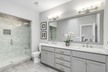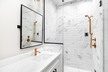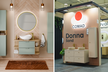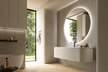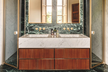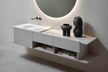


The global bathroom furniture market is entering a period of steady, value-driven growth, with forecasts projecting a compound annual growth rate of around 4.2% through 2035. Driven by sustained residential renovation, urbanisation, and rising consumer demand for premium, smart, and space-optimising designs, the market encompasses vanities, cabinets, and specialised storage units.
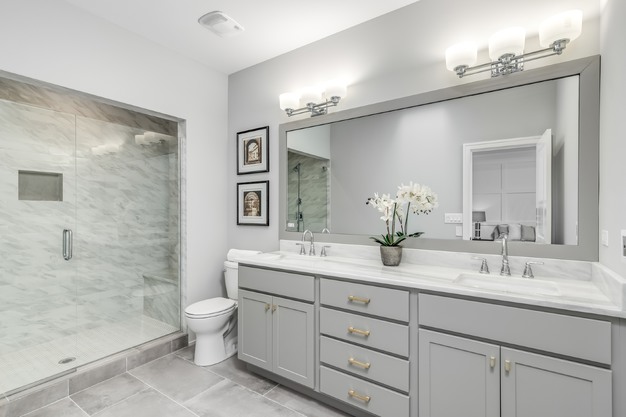 © Joe Hendrickson | Dreamstime
In developed regions such as North America and Europe, growth is fuelled by replacement cycles and premiumisation, while high-growth emerging economies in Asia-Pacific are expanding rapidly due to urban middle-class demand. Residential bathrooms, the largest segment, are shifting from purely functional spaces to curated environments featuring integrated lighting, Bluetooth-enabled mirrors, and water-resistant materials, reflecting the "bathroom-as-sanctuary" trend. Commercial sectors, including hospitality and healthcare, increasingly require durable, specification-grade furniture that balances aesthetics with compliance, hygiene, and ease of maintenance. Gyms, spas, and wellness centres demand high-durability designs that combine luxury and functionality, while offices and educational institutions focus on cost-effective, vandal-resistant, and touchless solutions.
The competitive landscape is diverse, with global leaders like Kohler Co., LIXIL Group, TOTO, Geberit, Roca, and IKEA offering a mix of luxury, high-tech, and affordable products. Regional dynamics show Asia-Pacific as the fastest-growing market, North America and Europe as mature but steady, Latin America emerging gradually, and the Middle East and Africa exhibiting bifurcated growth driven by luxury projects in the Gulf and nascent development elsewhere. Overall, the market is defined by incremental innovation, increasing e-commerce adoption, and the integration of smart, durable, and design-conscious solutions that cater to both residential and commercial needs.
Source: www.indexbox.io