

The United States has introduced a temporary 10 percent global import tariff following a Supreme Court ruling that invalidated many of last year's duties imposed under emergency powers. President Donald Trump announced the measure on his social platform Truth Social, where he also said he intends to raise the rate to 15 percent, although that increase has not yet been formally implemented.
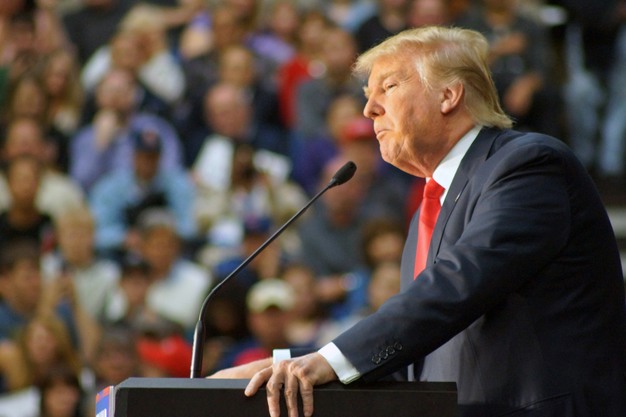 © Tommy Jeffers | Dreamstime
Trump initially imposed tariffs in April last year on a wide range of countries, including members of the European Union, with rates ranging from 10 to 50 percent. Those measures relied on emergency authorities that were later challenged in court.
In its February 20 decision, the Supreme Court of the United States ruled that the broad use of emergency powers to impose sweeping import duties exceeded executive authority, reaffirming that Congress holds primary constitutional responsibility over taxation and trade policy. In a 6 to 3 ruling, Chief Justice John Roberts was joined by Justices Sotomayor, Kagan, Gorsuch, Barrett, and Jackson, while Justices Kavanaugh, Thomas, and Alito dissented. The decision leaves uncertainty over billions of dollars in duties already collected and limits the use of emergency statutes as a central tool of trade policy.
In response, the administration invoked Section 122 of the Trade Act of 1974, a separate statutory authority that allows the president to impose temporary tariffs to address balance-of-payments concerns. Measures under this provision may remain in effect for up to 150 days unless extended or replaced through additional action.
The temporary tariff preserves pressure on trading partners while complying with the Court's ruling, but its limited duration introduces uncertainty for importers and businesses. Industries dependent on imported goods, including furniture, electronics, and consumer products, may face continued volatility as policymakers determine longer-term trade measures.
The move signals a continuation of an assertive trade posture under tighter legal constraints and is likely to have significant implications for international trade relations in the months ahead.
Source: www.nytimes.com