

Europe's timber industry enters 2026 cautiously, navigating economic pressures and geopolitical tensions while leveraging market opportunities and sustainability credentials. David Hopkins, CEO of Timber Development UK, noted that the sector is recovering from the collapse of a major trading group in 2025, with most operations absorbed by stable companies, preserving jobs. Housing remains a key driver, with modest growth expected in new-builds and refurbishments, supported by government investment of £39bn in social and affordable housing. Timber-frame construction benefits from regulations favouring thermal efficiency and low carbon impact.
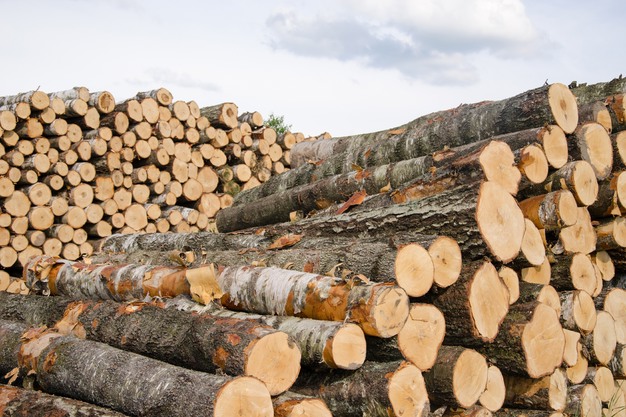 © Sauletas | Dreamstime
Geneviève Standaert, Export Manager at Vandecasteele Houtimport, highlighted demand-led growth, with hardwood sales up 15% in 2025. The company prioritised certified supply and achieved Preferred by Nature certification for Chain of Custody and Due Diligence systems, ensuring compliance with the EU Deforestation Regulation. Investments in electrified transport and racking systems improved efficiency and reduced CO2 emissions.
Timber demand across Europe remains strong for construction, cladding, garden projects, and mass timber solutions, although price volatility and supply chain complexity persist. The sector anticipates continued growth under stabilising construction markets, further adoption of certified and lesser-known species, and clarity on EU timber regulations, including the delayed EUDR compliance deadlines through 2026–27.
Source: www.globalwood.org