


The Cape Town Furniture Week furniture trade fair took place this year from 18 to 21 February 2026, positioning itself as one of the most design-driven b2b furniture events on the African continent. Hosted across multiple venues in the city, the fair once again combined exhibition spaces with showroom visits and curated design routes, turning Cape Town itself into part of the event experience.
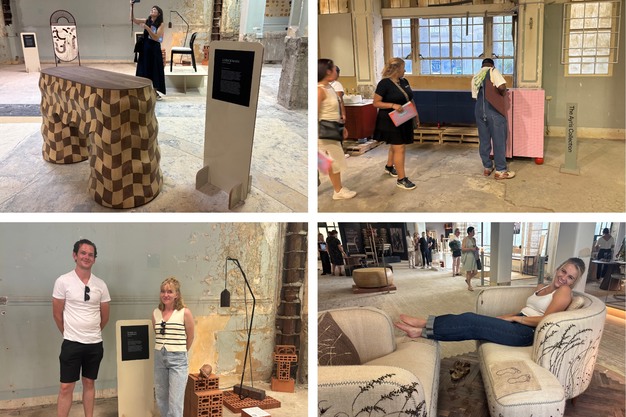 © Mikyall Harris | InteriorDaily.comCheck out our photo report here.
From exhibition halls to a city-wide format
Unlike conventional furniture fairs concentrated in large exhibition centres, the 2026 edition of Cape Town Furniture Week continued to embrace a decentralised format. Brands and studios welcomed visitors into showrooms, concept spaces and temporary pop-up locations throughout the city.
This approach created a more intimate setting for business meetings and product discovery. Many visitors noted that the city-based layout encouraged longer conversations with brands and designers, allowing for deeper insights into production processes, materials and design philosophies.
A b2b platform focused on design and craftsmanship
Cape Town Furniture Week 2026 positioned itself clearly as a b2b platform with a strong emphasis on design, craftsmanship and sustainability. The exhibitor mix reflected a wide range of contemporary African furniture, lighting and interior concepts, with many collections produced locally and in small series.
For international buyers, the fair offered a curated entry point into the Southern African furniture market. Rather than competing on price with mass-production sourcing hubs, the event highlighted value-driven propositions such as bespoke manufacturing, hospitality-focused furniture solutions and ethically sourced materials.
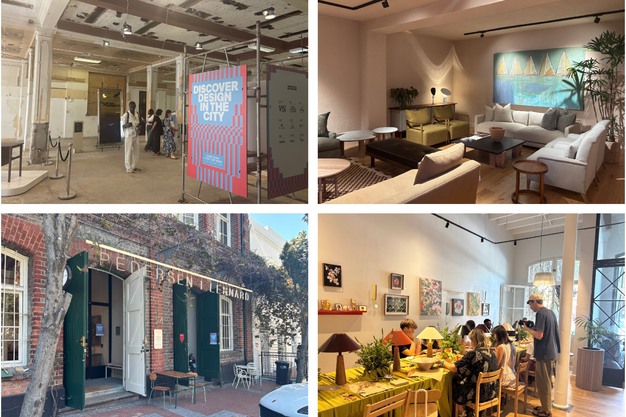 © Mikyall Harris | InteriorDaily.comCheck out our photo report here.
International interest and project-driven sourcing
The fair attracted a solid international audience alongside strong regional attendance. European buyers, architects and hospitality developers were particularly visible, underlining the growing interest in African-made furniture for hotels, lodges and high-end residential projects.
Project-based sourcing played a central role, with many exhibitors reporting concrete discussions around custom developments, private label collections and long-term supply partnerships. The hospitality sector, in particular, emerged as a key growth driver for exhibitors showcasing contract furniture and outdoor collections.
Industry feedback: quality over quantity
Reactions from exhibitors and visitors were largely positive, with many praising the quality of contacts and the relaxed but professional atmosphere. The smaller scale compared to major global fairs was seen as an advantage by brands seeking meaningful conversations rather than high-volume footfall.
At the same time, some buyers expressed interest in seeing a broader range of international suppliers in future editions, suggesting that a moderate expansion could further strengthen the fair's position as a sourcing destination without losing its boutique character.
The organisers indicated that the concept will continue to evolve, with careful growth planned to maintain the balance between accessibility, design quality and business relevance.
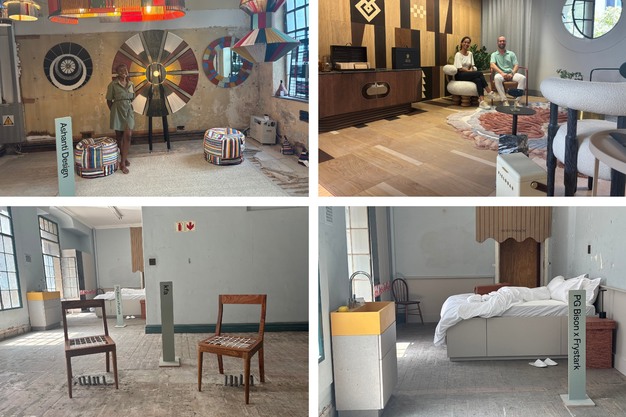 © Mikyall Harris | InteriorDaily.comCheck out our photo report here.
Photoreport and aftermovie
The InteriorDaily team created a photo report and aftermovie focusing on furniture collections, material details, craftsmanship and the various showroom locations across the city. Unfortunately, we couldn't photograph everyone, so if you have a nice team photo, feel free to send it in to [email protected] — we'll be happy to include it in the album!
The next edition is scheduled for February 2027. How Cape Town Furniture Week will scale while preserving its design-led, city-based format will be closely watched by the international furniture trade.
More information:
Cape Town Furniture Week 2026
[email protected]
www.capetownfurnitureweek.com
South Africa