

Eurozone industrial production slipped by 1.4% month-on-month in December 2025, yet still recorded a 1.2% increase compared with the previous year, according to a report from ING. While the decline followed weaker German and French figures, economists suggest the broader cyclical upturn in the region remains intact.
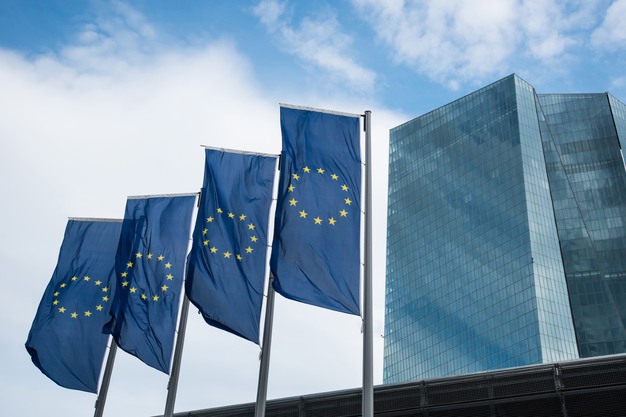 © Xxlphoto | Dreamstime
"Structural headwinds won't stop the cyclical recovery," said Peter Vanden Houte, Chief Economist at ING. The region continues to face challenges including natural gas prices that remain more than three times higher than in the United States, rising imports of competitively priced Chinese goods, and higher US tariffs on European exports.
Despite these hurdles, domestic demand is strengthening. The European Commission's January business sentiment survey indicated that although the assessment of export orders remained cautious, overall orders have improved. German stimulus measures appear to be playing a key role, with industrial orders in Germany rising nearly 20% in the final four months of 2025.
"There are also signs that the inventory correction is largely behind us, with the assessment of stocks now close to the historical average," Vanden Houte added. This suggests that manufacturing is likely to contribute positively to eurozone growth in 2026, even as structural issues persist.
The report indicates that while analysts may be tempted to take a pessimistic view of the eurozone's industrial prospects, the combination of stabilising inventories, robust domestic demand, and targeted policy support is expected to underpin continued expansion.
ING's analysis highlights that the cyclical recovery in eurozone manufacturing is gaining traction, signalling potential opportunities for sectors closely linked to industrial output, logistics, and domestic supply chains.
The findings come amid a broader backdrop of mixed economic signals in Europe, where inflation pressures, energy costs, and global trade dynamics continue to shape the growth landscape. For policymakers and business leaders, these trends emphasise the importance of strategic domestic stimulus and careful monitoring of structural challenges to maintain momentum.
More information:
ING
www.think.ing.com