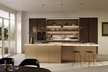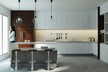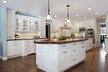


German kitchen manufacturer Rotpunkt highlights the growing demand for new-age materials in 2026, as surface design becomes central to shaping the tone, texture and identity of the modern kitchen.
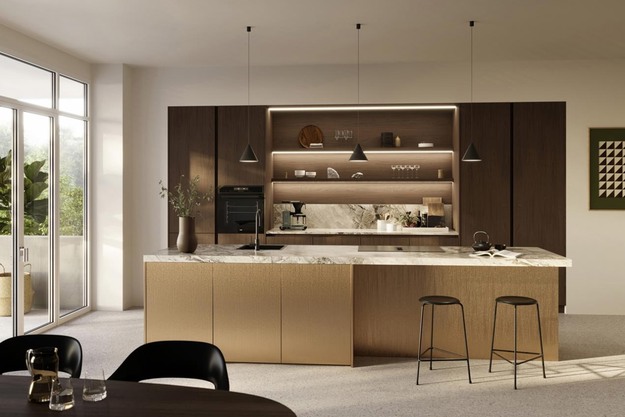
According to Matt Phillips, Head of UK Operations at Rotpunkt, natural tones and tactile finishes will dominate furniture design this year. "No matter where you are in the home, natural tones and textures will dominate furniture design this year, with a focus on quality materials in wood, metal, glass and stone," he says.
 © Rotpunkt
Wood: immersive and organic
Wood remains a key material for 2026, with oak and walnut, in both light and dark variation, widely specified across doors, drawer fronts, shelving, cupboard interiors and even wall cladding. A technique referred to as "wood drenching", where cabinetry and surrounding surfaces are finished in the same timber, is gaining traction. The approach creates a fully immersive, organic scheme intended to deliver visual cohesion and long-term appeal.
Metal: depth and architectural clarity
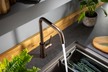
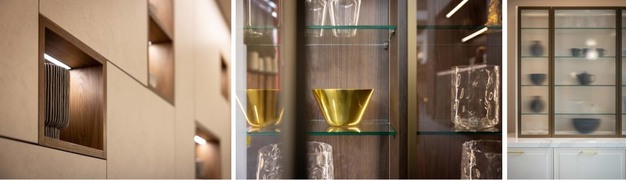
Metallic accents in brass, copper and steel are increasingly incorporated to add contrast and visual depth. From matt black and stainless-steel appliances to warm brass or copper fixtures, metal elements introduce a utilitarian aesthetic while remaining durable and adaptable to different lighting conditions. Industrial-style hardware and smoked brass finishes are among the key directions identified for the year ahead.
Glass: coloured and fluted finishes
Glass continues to define zones within open-plan kitchens without introducing physical barriers. Two main trends are emerging: coloured glass in warm, earthy and near-black tones, and fluted or reeded glass fronts that reinterpret structured cabinetry. Smoked brass glass and fluted panels are positioned as alternatives to conventional handleless units, offering texture and a layered visual effect.
Stone: textured and architectural
Stone-inspired décors remain prominent, reflecting the broader interest in exposed plaster and mineral finishes. Marble, textured concrete, ceramic and porcelain surfaces are being applied across cabinetry, worktops and wall areas to create a solid, architectural foundation. These finishes are often paired with black appliances and hardware to enhance contrast.
Personalised material combinations
Rotpunkt reports that bespoke combinations of materials are increasingly valued by homeowners seeking individuality. Blending, contrasting or fully immersing kitchens in high-grade finishes allows end users to personalise their living environments while maintaining design coherence.
 © Rotpunkt
Rotpunkt will present its latest material innovations at Kbb Birmingham from 1–4 March 2026 (Stand Q90).
The company continues its "Together to zero" climate strategy, offsetting unavoidable emissions from production and operations. Its furniture incorporates Greenline BioBoard Gen2, a chipboard made from up to 90% recycled wood and certified to meet stringent formaldehyde emission standards.
More information:
Rotpunkt
www.rotpunkt.co.uk