

Sheepskin is re-emerging in architectural and design-led interiors, not merely as a decorative accent, but as a material valued for comfort and function. Designers and architects are increasingly specifying sheepskin to introduce warmth and human scale into contemporary spaces, which can otherwise feel rigid or overly minimal. This trend reflects a broader shift toward human-centred design, where materials play a psychological and sensory role, not just a visual one.
In the wake of the pandemic, interiors continue to prioritise wellbeing and sensory experience. Hard, minimalist spaces benefit from materials that offer balance without visual clutter. Natural fibres like sheepskin provide acoustic softness, visual calm, and physical comfort, allowing architects to soften environments while maintaining clarity and restraint.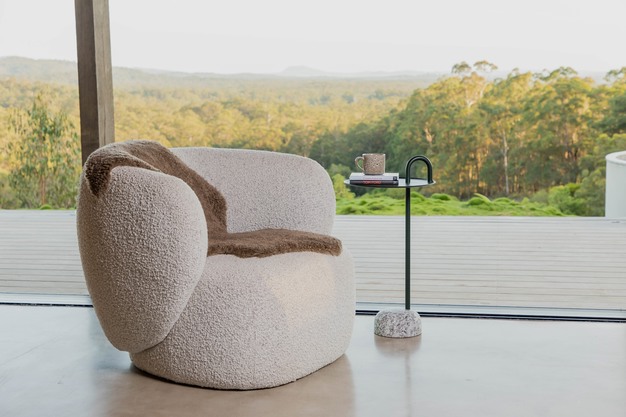 © Fibre by Auskin
When used strategically, sheepskin introduces softness into interiors dominated by stone, concrete, timber, and steel. Rather than acting as a focal point, it functions as a grounding layer, supporting modern, restrained design languages. Architects are specifying sheepskin in controlled, intentional ways to create balance and warmth within clean-lined environments, proving that softness and minimalism can coexist harmoniously.
Today, sheepskin finds application across a wide range of sectors:
-Hospitality: boutique hotels, alpine lodges, ski resorts, and wellness retreats
-Residential: high-end homes where comfort and longevity are priorities
-Commercial and wellness spaces: lounges, waiting areas, and quiet zones
In each context, sheepskin is valued for its ability to create inviting, human-centred moments within larger architectural frameworks.
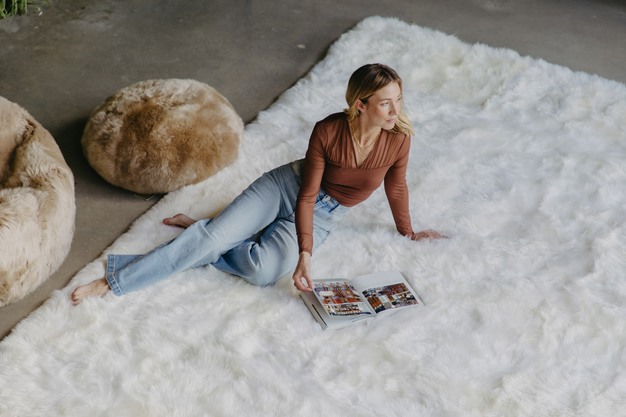 © Fibre by Auskin
Grounding, Warmth, and Sensory Balance
Sheepskin contributes to tactile richness and sensory comfort. Naturally breathable, it performs well across seasons and climates, supporting design principles that encourage interaction and physical connection. Rather than a fleeting trend, sheepskin is appreciated for its material integrity, durability, and long-term performance.
A key distinction is emerging in contemporary design: sheepskin is no longer treated solely as an accessory or styling element. Increasingly, it is specified alongside timber, stone, and other core materials, forming part of the architectural palette itself. This reframing positions sheepskin as a legitimate material choice, not a decorative afterthought.
Suppliers like Fibre by Auskin illustrate this shift, providing ethically sourced sheepskin as a by-product of the food industry, consistent quality, and scalable solutions suitable for architectural, hospitality, and design projects.
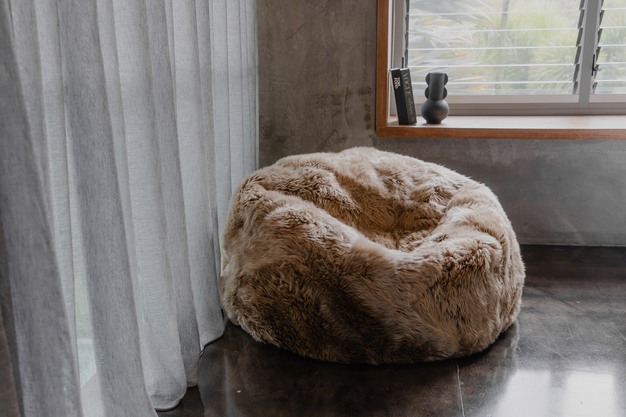 © Fibre by Auskin
Conclusion
Comfort-driven design continues to shape architecture globally, with natural materials being reassessed for their longevity, performance, and ability to support wellbeing. Sheepskin fits naturally into this movement, offering warmth, tactility, and sensory balance without visual excess. Its resurgence signals a thoughtful, experiential approach to contemporary interior and architectural design.
More information:
Fibre by Auskin
[email protected]
www.fibrebyauskin.com