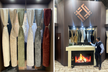


Fabric choice is becoming a vital factor in furniture design, shaping aesthetics, emotional appeal, and commercial success. For manufacturers and designers, texture is no longer just a functional layer but a key ingredient that influences buyer attraction and product longevity. Tokyo Fabrics exemplifies how a thoughtful approach to fabric textures and colours can quietly shape the future of interiors.
 © Tokyo Fabrics
Fabric textures set the emotional tone
'When people buy furniture, the first thing they connect with is the colour and texture,' says Kacey Brreach, Business Development Executive at Tokyo Fabrics. 'It's almost a cosmetic build, like how people use makeup to present their best selves. Manufacturers want their sofas to look their best too.' This highlights fabric's power to create an immediate visual and tactile impression, crucial in a competitive market.
Kacey explains fabric textures bridge design intent and consumer desire. 'We follow fashion trends because they reflect what customers want emotionally and visually. Corduroy and velvet, for instance, have made a comeback, influencing furniture textiles with their rich tactility.' This ensures Tokyo Fabrics offers materials that resonate with evolving tastes while meeting furniture production needs.
Understated textures for versatile appeal
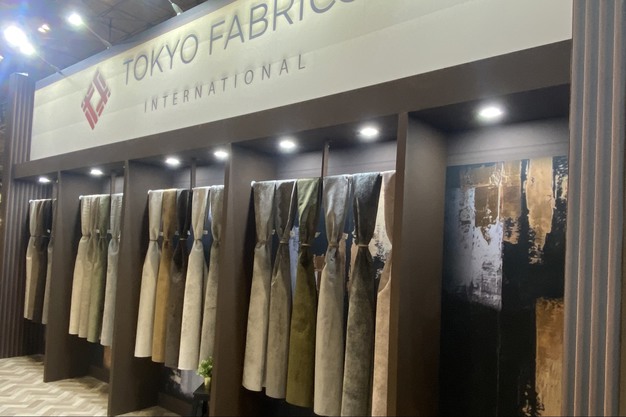
Tokyo Fabrics often favours subtle, linen-inspired textures over bold statements. 'Our approach is about versatility and longevity,' Kacey says. 'Furniture buyers seek something different, but also enduring. Subtle textures and neutral colours appeal broadly, helping manufacturers offer products that remain relevant.'
'Shape affects how texture reads,' says Kacey. 'For rounded or soft silhouettes, bouclé, fine weaves, velvets, or smoother fabrics work well because heavy texture can blur the form and make it feel bulky or shapeless. For angular or structured sofas, more pronounced textures such as chunky weaves, ribbed fabrics, or visible slubs actually enhance the geometry and give flat planes visual depth.'
This approach reflects market demands and production realities. 'We match textures to furniture forms; rounded shapes may need less texture, angular pieces more pronounced surface depth,' he adds. 'Texture also changes perceived volume; coarse or high-pile fabrics make a sofa feel larger and heavier, while smooth or tight weaves make it feel lighter and more refined. This is particularly useful for compact or curved designs.'
 © Tokyo Fabrics
Evolution over revolution
Tokyo Fabrics prioritises gradual evolution over radical shifts. 'We develop fabrics that evolve with paint and wallpaper trends,' says Kacey. This supports sustainability by maintaining stock of core fabrics with lasting appeal, helping manufacturers offer enduring collections.
'Our focus is on soft, matte finishes and textures that feel comfortable yet refined. These qualities give furniture longevity in the home and market,' he explains. This aligns with industry emphasis on sustainability, where materials that stay desirable reduce waste.
Enhancing design without overpowering
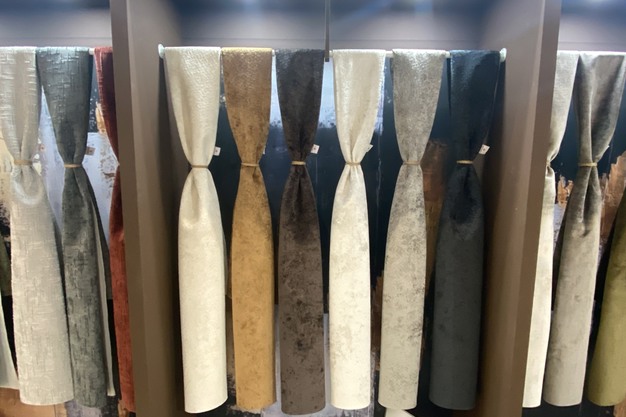
'We gather extensive input from retailers and manufacturers before launching new fabrics,' Kacey notes. This careful approach ensures fabrics support furniture design and appeal to consumers, balancing neutral tones with occasional colour bursts.
It's about subtlety; fabrics complement the design rather than overshadow it. Tokyo Fabrics adapts to different markets, balancing warmth and coolness based on customer preferences.
 © Tokyo Fabrics
Tactility and usability in focus
Consumers increasingly seek softness and texture that invite touch, not just sight. 'We're developing materials with heavy textures but soft, matte finishes,' Kacey reveals. This adds sensory richness without compromising everyday usability.
Adapting to diverse European markets, Tokyo Fabrics balances warm tones preferred in the UK with cooler shades for southern Europe, reflecting lifestyle and climate differences.
Ultimately, Tokyo Fabrics' thoughtful evolution signals a future where texture shapes interiors quietly but powerfully. As Kacey puts it, 'Fabric is not just a covering; it's part of furniture's story, inviting emotional and physical connection.'
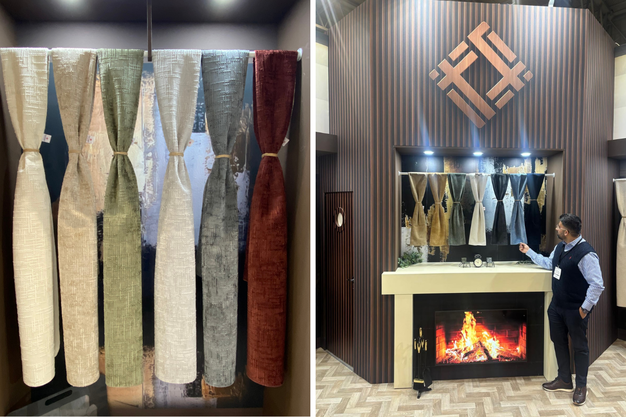
Find Tokyo Fabrics at Pavilion 8A, stand 15, Meble Polska — marking the company's first-ever participation at the fair and a considered step into deeper engagement with the European interiors market.
More information: © Tokyo Fabrics
Tokyo Fabrics
Meble Polska, 24-27 February, 2026
Głogowska 14, 60-734 Poznań, Poland
Hall 8A, Stand 15
[email protected]
www.tokyofabrics.co.uk
+44 (0) 121 502 2470
United Kingdom