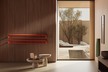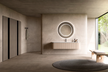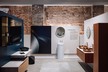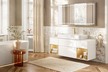


Bathroom design in 2026 is shifting towards materials that emphasise character, longevity, and tactile experience, according to Dornbracht. Natural stone and coloured marble, particularly expressive green varieties, are increasingly used for their durability, warmth, and ability to support biophilic design. Each surface is unique, making material a defining element in interior composition.
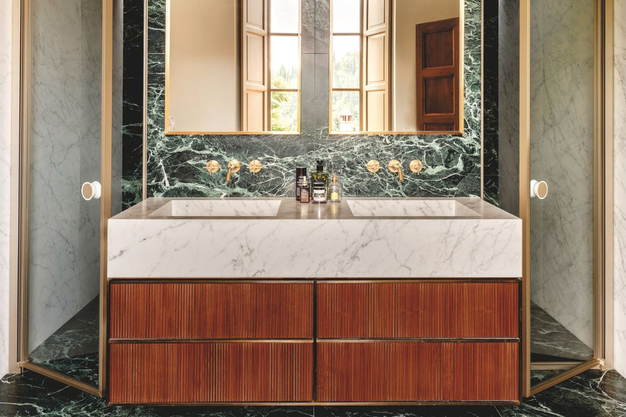 © Dornbracht | LinkedIn
Textured surfaces, such as ribbed glass, hammered metal, and structured finishes, are also rising in prominence, transforming everyday interactions into sensory experiences. Mixed metals are replacing uniform finishes, combining warm and cool tones to introduce contrast and a highly individual aesthetic.
The trends underscore a move towards bathrooms as thoughtfully composed environments, shaped by material intelligence, craftsmanship, and creative freedom. Designers are encouraged to treat materials not merely as finishes but as central to the identity and emotional resonance of the space.
Projects such as Villa il Gioiello, featuring green marble, and Paseo Mallorca 15, using natural stone, exemplify this approach, blending visual impact with tactile engagement and a sense of individuality in contemporary bathroom design.
Source: LinkedIn.