


Vietnam's wood furniture industry is seeking alternative markets in the Middle East, India, South Korea, and the EU after facing a 20% U.S. tariff on exports, alongside European deforestation rules and labour shortages. The sector, the world's second-largest furniture exporter after China, relies heavily on U.S. sales, which account for 56% of its wood product exports.
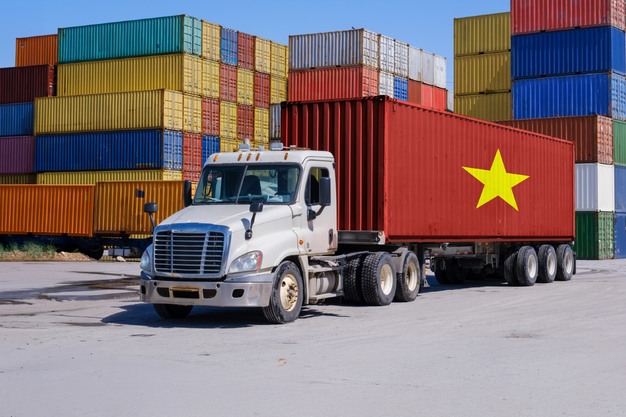 © Marc Bruxelle | Dreamstime
Manufacturers like Minh Quang, supplying Wayfair, Williams-Sonoma, and Ashley Furniture, have been pressured by clients to share tariff costs or risk losing orders. Many companies have reduced staff as demand drops, while labour costs are expected to rise 8% in 2026 due to difficulties attracting younger workers.
To offset these challenges, Vietnamese firms are investing in technology and digitalisation, often adopting Chinese practices to improve efficiency. Satellite imagery shows a surge in transshipment activity at the Vietnam-China border, highlighting the growing role of China in Vietnam's furniture supply chain.
Hawa Chair Phung Quoc Man described the current conditions as unprecedented, noting that while exports slowed to 5.7% growth in 2025, the sector anticipates a rebound and recruitment increase in 2026.
Vietnamese exporters are navigating tariffs, shifting consumer trends, and global regulations while seeking to sustain their role as a key supplier to major international furniture brands.
Source: www.asia.nikkei.com