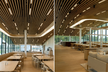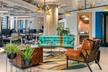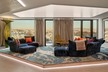


Architect Barnaba Grzelecki of Bit Creative identifies five trends set to shape offices in 2026. First, inclusivity and neurodiversity are guiding design, with lighting, acoustics, colours, and textures tailored to diverse employee needs. Workspaces are increasingly designed to balance collaboration, concentration, and regeneration.
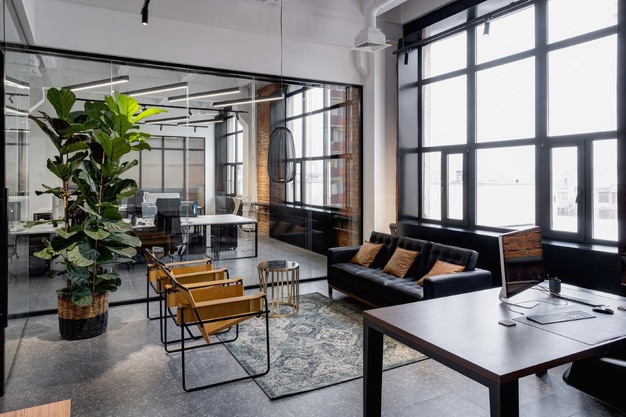 © Petinovs | Dreamstime
Second, multifunctionality and flexibility are essential, with mobile walls, modular furniture, and adaptable lighting allowing spaces to transform for events, training, or exhibitions. Third, sustainability and material quality are strategic priorities, with natural and recycled materials, ergonomic design, energy-efficient systems, and carbon-conscious planning integrated throughout offices.
Fourth, offices are becoming experiential spaces that convey corporate identity through murals, graphics, and personalised signage, strengthening employee engagement and culture. Finally, hybrid work models and prime locations are reshaping the value of office spaces, with firms emphasising comfort, functionality, and social interaction to encourage staff presence.
Grzelecki concludes that offices in 2026 will no longer be neutral backdrops but carefully crafted environments that support people, foster organisational culture, and provide tangible benefits for employees and investors.
Source: www.biznes-meble.pl