


US wood exports to the Philippines are projected to increase by 30% in 2026, reaching $28 million, up from $22 million last year, as local production fails to meet rising demand, according to the US Department of Agriculture (USDA).
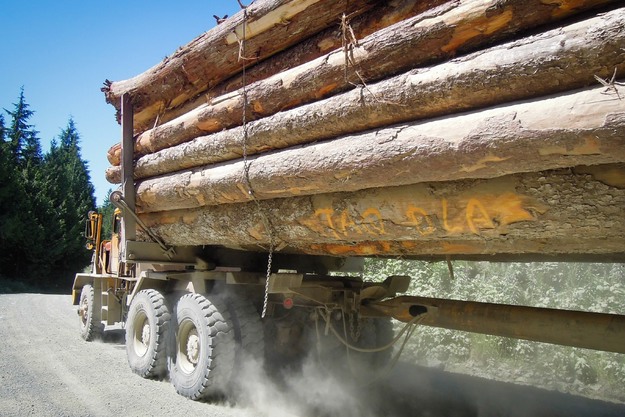 © Lembi Buchanan | Dreamstime
The Philippines continues to rely on imports of logs and lumber to support construction, furniture manufacturing, and infrastructure projects. Softwood lumber, used primarily in building and furniture, accounts for over half of the shipments. Rising demand is partly driven by high-end condominium and hotel developments in Metro Manila, catering to wealthy empty nesters and expatriates.
Public infrastructure projects incorporating sustainable timber, including airports, are also contributing to the need for imported wood. Despite its diverse forests, the country faces deforestation and land degradation, with only seven million hectares of dense forest cover remaining from a total of 30 million hectares.
Last year, the US was the seventh-largest timber exporter to the Philippines, providing pine, oak, nonconiferous veneer sheets, cooperage products, and pallets. The USDA expects exports to continue rising, particularly for hardwood and glue-laminated wood, reflecting ongoing construction and premium housing demands.
Source: www.globalwood.org