


Italian consumer and service-sector confidence showed signs of recovery in December 2025, largely supported by tourism linked to the upcoming Milan-Cortina Winter Olympics. After a noticeable dip in November, consumer confidence rebounded to its annual average, with households reporting improved economic conditions, stronger family budgets, and lower expectations for future unemployment. Indicators for durable goods purchases also strengthened, suggesting a potential gradual recovery in consumption, although the incomplete rebound in purchasing power signals that growth will remain cautious in the short term.
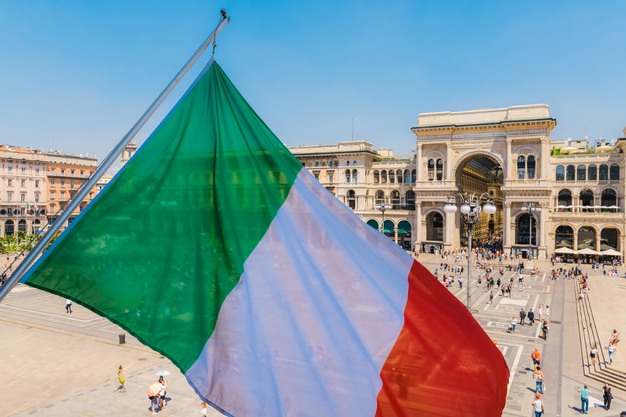 © Brasilnut | Dreamstime
Business confidence improved overall, reaching its highest level since March 2024, driven mainly by gains in the services sector. Tourism was a significant contributor, boosting confidence among hospitality, travel, and business service providers. Information and communication services also benefited, reflecting the indirect effects of increased visitor demand. In contrast, the industrial sector showed signs of weakness, with manufacturing confidence slipping slightly. Consumer and intermediate goods maintained stability, while capital goods experienced a decline, hindered by ongoing challenges such as U.S. export tariffs. Construction confidence also fell, particularly in civil engineering projects funded by the PNRR, raising concerns given the program's upcoming August 2026 deadline.
Despite these sectoral differences, the overall sentiment supports a gradual economic recovery. Services remain the primary driver, and the upcoming Winter Olympics could further bolster consumption and investment. ING maintains its GDP growth forecast for Italy at 0.6% for 2025 and 0.8% for 2026, indicating modest but steady progress in exiting the prolonged stagnation.
More information:
ING
www.think.ing.com