


On 4 December 2025, the Court of Justice of the European Union (CJEU) delivered its judgment in the joined cases Mio (C‑580/23) and Konektra (C‑795/23), addressing copyright protection for works of applied art. This follow-up post summarises reactions from IP specialists across Europe.
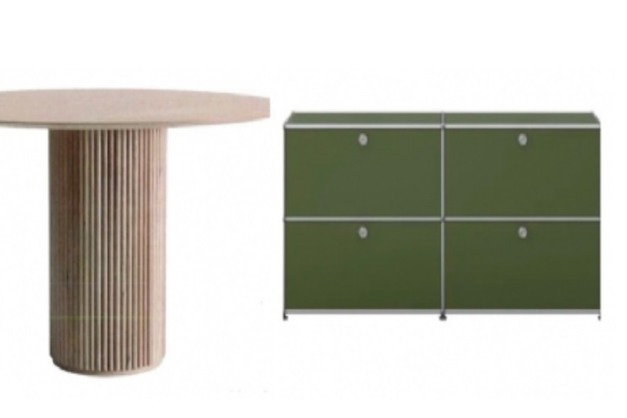 © mio
© mio
Denmark: The judgment largely confirms existing Danish practice: works of applied art are protected under the same originality standard as other works, with no extra "artistic value" requirement. Danish courts' traditional reliance on overall-impression comparisons may evolve, focusing instead on whether creative elements are recognisably reproduced.
Germany: The ruling aligns with post-2013 German case law, removing any residual higher threshold for applied art. Copyright protection now follows an objective originality test, based on the work's form at creation. Functional constraints do not bar protection if creative choices are visible. This may broaden protection for functional designs while increasing exposure for imitators.
Hungary: The judgment clarifies that originality assessment occurs primarily in infringement cases. Timing of creation and voluntary registrations gain importance for proving infringement. Recognisability of creative elements remains central, though Hungarian law traditionally presumes authorship rather than originality. The ruling may raise questions regarding AI-generated works.
Netherlands: Experts note that the CJEU introduces new criteria for copyright protection and infringement. The total impression test for assessing infringement may no longer apply, though reproducing protected features remains key. The standard for reflecting the author's personality and making creative choices remains somewhat vague.
Norway: The CJEU confirms no stricter requirements for applied art and reinforces that free creative choices must be realised in the final work. The introduction of "recognisability" in the infringement test may affect practical application, depending on whether experts or ordinary observers evaluate recognisability.
Switzerland: The judgment aligns Swiss and EU law. Originality depends on observable creative choices, not intention or later recognition. Functional constraints do not preclude protection if recognisable creative choices are present. The court's rejection of "overall impression" criteria confirms Swiss practice: infringement requires reproduction of recognisable elements.
United Kingdom: Post-Brexit, UK courts are not bound by EU decisions. Copyright protection for applied art remains narrower, limited to a closed list of works. Courts continue to interpret "artistic craftsmanship," and protection remains uncertain. EU rulings, including Cofemel, influence but do not dictate UK case law, as illustrated by recent EWHC decisions.
Overall, the Mio/Konektra judgment provides clarity on originality and infringement for applied art across Europe, harmonising standards in most jurisdictions while highlighting ongoing differences, particularly in the UK.