


In a world where design trends move fast and warehouses fill even faster, Furnitly is carving out a refreshing and necessary space in the furniture market. Born from the shared insight of three industry-native founders, each raised in the world of sofas, craftsmanship and logistics, the Maastricht-based startup offers a clear solution to a widespread problem: the silent accumulation of new, unused overstock across Europe.
 © Furnitly
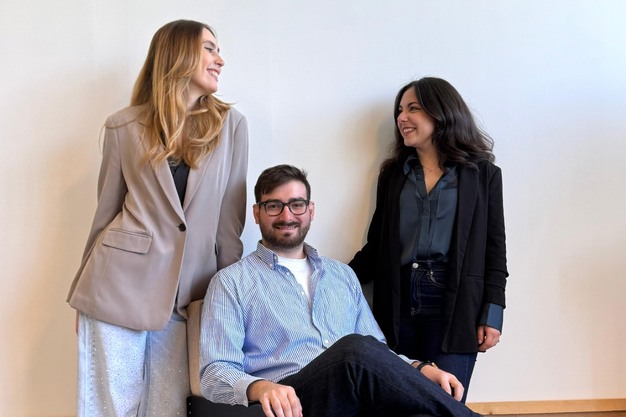
The Furnitly team.
As Vito Reale, the company's CRO, recalls, "When we moved to Maastricht, we realised we were all seeing the same issue. Huge amounts of perfectly good furniture were sitting in storage, losing value month after month, simply because companies weren't set up for B2C sales."
A simple concept with powerful impact
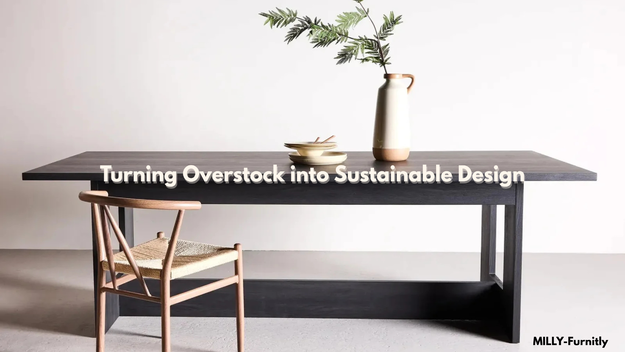
Furnitly's model is remarkably straightforward, yet deeply impactful. The platform collects unused overstock directly from furniture and sofa manufacturers, many of whom struggle to manage leftover inventory while handling rapidly updating collections. Rather than letting these items gather dust, or worse, preparing them for disposal, suppliers send Furnitly their product details, images, discounts and logistics information. From there, the Furnitly team takes over everything: publication on the marketplace, customer service, payment processing and coordination of delivery.
 © Furnitly
This full-service structure liberates suppliers from the complexity of direct-to-consumer sales, frees warehouse space and helps them recover value that would otherwise be lost. For customers, the result is access to high-quality design pieces at significantly more accessible prices. As Vito explains, "We wanted to create a solution where everyone wins. Suppliers save space and costs, customers discover quality furniture at better prices, and we reduce waste at the same time."
A circular vision aligned with Europe's future
Sustainability is woven into Furnitly's mission from its very inception. The company aims to address a staggering reality: in Europe alone, more than ten million tons of furniture sit unused in overstock or long-term storage every year. These products are new, flawless and ready for use, yet countless items risk being discarded when newer collections arrive. Furnitly steps into this gap by extending product lifecycles and helping manufacturers avoid unnecessary production.
The company's approach is also in harmony with evolving European legislation. Under the EU's new ESPR regulation, the destruction of unsold goods in textiles is already restricted, and furniture has been identified as one of the next priority categories for circularity rules. "The direction is clear," Vito says. "Europe wants to keep unsold goods in circulation, and companies need solutions that make this possible. Furnitly is designed exactly for that."
 © Furnitly
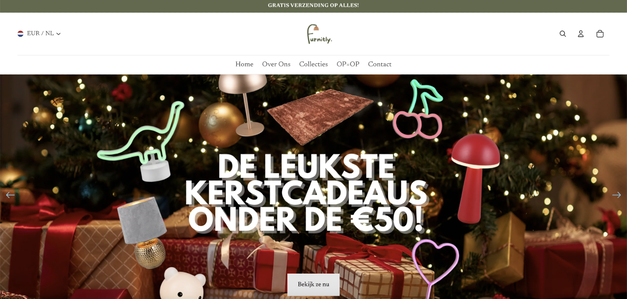
A preview of the Furnitly website.
From Brightlands startup to award-winning marketplace
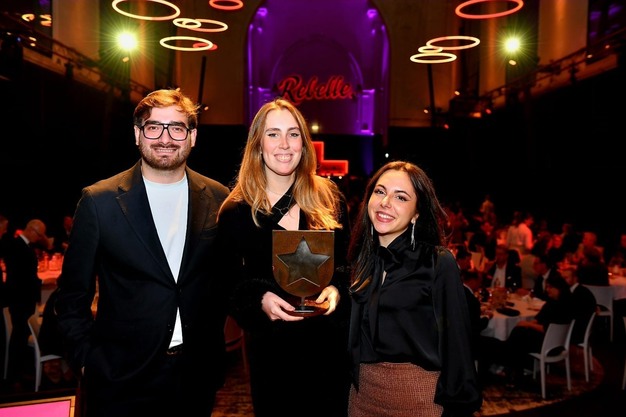
The Furnitly story began at the Brightlands Startup Challenge, where the idea quickly gained traction. Support from Maastricht University and the municipality helped the founders refine their concept, build their platform and secure early partnerships. Recently, Furnitly's momentum was recognised with the Maastricht Awards in the Business Take-Off category, further anchoring its role as a promising circular-economy player in the region.
Today, Furnitly collaborates with suppliers across the Netherlands, Belgium, Germany and Sweden, with Italy soon joining the network, a meaningful expansion given the founders' deep ties to the Italian furniture world. And the platform's popularity is not limited to private consumers; demand from professional clients is rising fast. "We've recently received a lot of interest from interior designers and HoReCa businesses," Vito shares. "We're now planning to open a dedicated channel for them, because the need for high-quality, accessible, sustainable furnishings is only growing."
 © Furnitly
A marketplace designed for modern living
Furnitly's strength lies not only in offering beautiful and affordable pieces, but in reimagining the lifecycle of design objects. By unlocking the potential of overstock, the company bridges a meaningful gap between sustainability, logistics and contemporary interiors. Their model anticipates the future of the furniture industry, one where circularity isn't a trend, but a foundation.
As homeowners, designers and hospitality projects increasingly seek conscious alternatives, Furnitly positions itself as a marketplace that is both practical and responsible. And at its core remains a simple truth articulated by Vito: "Good furniture deserves to be used, not forgotten. We're here to make sure it reaches the people who will enjoy it."
More information:
Furnitly
François de Veyestraat 8B
6221AB Maastricht
+31623833217
[email protected]
www.furnitly.com
Netherlands
 © Furnitly