


After sharp increases in 2021 and 2022, container prices are now falling again. While lower rates may appeal to shippers in the short term, analysts caution that the trend could threaten the industry overall.
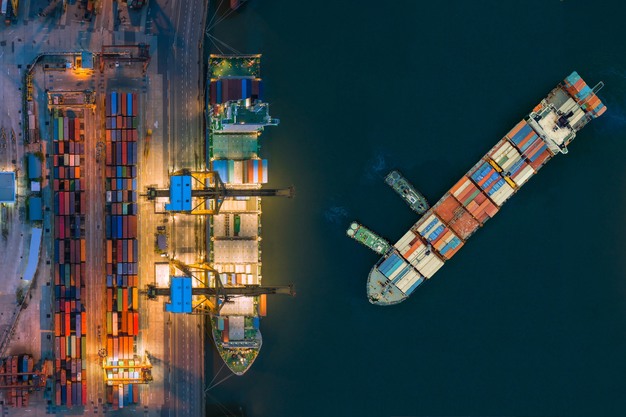 © Raisin7036 | Dreamstime
The year 2025 is characterised as exceptionally unstable in ocean shipping. In October, the market showed a slight increase for the first time in 18 weeks, caused by year-end shipments and a skewed distribution of containers worldwide. Research firm Drewry points to General Rate Increases (GRIs) as a temporary factor behind the rise. Still, the overall trend remains weak due to declining demand and overcapacity, reinforced by new ships under construction since the corona pandemic.
External factors continue to play a determining role. Political tensions, trade conflicts such as between the US and China, and unexpected disruptions such as the Red Sea crisis have increased volatility. Such events create rapid price fluctuations and uncertainty in the market.
Analysts stress that structurally low rates limit shipping companies' investment opportunities, which can lead to insufficient capacity when demand increases. It also affects other cost items in the chain, so the drop ultimately benefits no one.
A further price decline is expected for 2026, both on a spot and contract basis. Shippers are advised to remain flexible, compare routes and carriers, and use data to optimise both costs and reliability. According to Xeneta, this actually presents opportunities to develop resilient supply chains and gain strategic advantage in a volatile market.
Source: Logistics