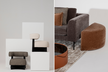


November 2025 data points to a modest improvement in French business sentiment, offering cautious optimism for the interior and furniture sector as the year-end trading period approaches. According to Insee, the French business climate indicator rose to 98 from 97 in October, primarily driven by the service sector, which saw confidence rise 3 points amid more favourable demand expectations. The services PMI reached its highest level in 15 months, signalling renewed cyclical momentum.
 © Stockcube | Dreamstime
For the interiors, home furnishings, and lifestyle segments, this rebound in services is particularly relevant. Increased activity in hospitality, real estate, and design services tends to drive demand for furniture, home décor, and related products. Retail confidence also remains solid, providing a supportive backdrop for consumer spending in the run-up to the festive season, even though it slipped slightly compared to September.
Industrial sectors, however, are showing signs of slowing. The manufacturing PMI fell to its lowest level in nine months, reflecting weaker order books and declining production. Transport equipment manufacturers, after a period of strong growth, are particularly downbeat. "Momentum in this sector appears to be fading, pointing to a weaker industrial contribution from Q4 onwards and into 2026," ING notes. While this slowdown is less directly linked to interior markets, broader industrial softness may impact supply chains for furniture production and material sourcing.
Fiscal uncertainty remains a key constraint. No new budget is expected before year-end, meaning the 2025 budget will roll over into 2026, and gradual fiscal tightening is anticipated. The French government's deficit target of 4.6% of GDP is unlikely to be met, with 5% seen as more realistic, after 5.4% in 2025. Tighter fiscal policy may temper household consumption, potentially limiting growth in discretionary sectors such as furniture and home décor.
Overall, while France's industrial sector shows caution, the rebound in services and resilient retail confidence offer a temporary lift for interiors and lifestyle businesses. Companies in furniture, home textiles, and décor can anticipate modest support for sales heading into the final quarter of 2025, with the sector's performance closely tied to consumption trends in both private households and service-related industries.
More information:
ING
www.think.ing.com