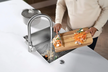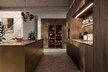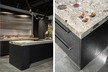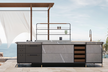

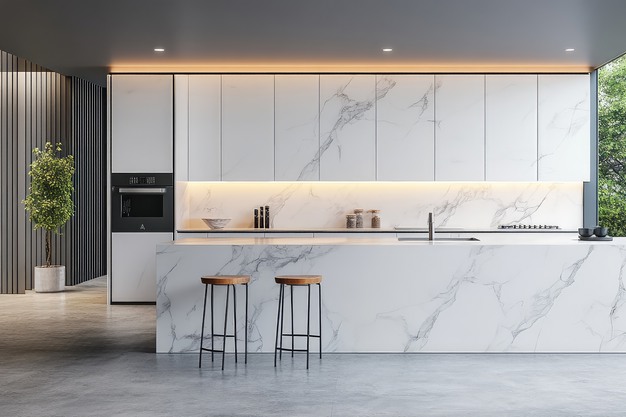
Interior designers report that while marble remains admired for its natural beauty, distinctive veining, and long-standing association with craftsmanship, it is losing some ground specifically as a material for kitchen countertops. Professionals note that its appeal lies in its uniqueness and material depth, with one designer stating that marble "ages beautifully" and cannot be replicated by engineered alternatives. Its "warm and cool" qualities and suitability for tasks such as pastry work have also contributed to its enduring presence in kitchens.
 © Stockvectorwin | Dreamstime
However, concerns about upkeep are prompting homeowners to reconsider marble for kitchen use. Designers explain that the stone's porous, softer surface makes it vulnerable to stains, etching, and oil marks, requiring sealing every six to twelve months. Its patina, while valued by some, is unwelcome to those seeking unchanging finishes. Replacement is also challenging, as matching slabs is rarely possible once aging has occurred.
Rather than disappearing, marble countertops are evolving. Richly coloured and boldly patterned varieties are gaining traction, while classic white slabs are increasingly paired with warmer materials for balance. For those moving away from marble in kitchens, designers cite quartz and high-quality porcelain as strong alternatives, offering the look of natural stone with greater durability and reduced maintenance demands.
Source: www.marthastewart.com