

British furniture making continues to thrive in 2025, blending centuries-old craftsmanship with modern design sensibilities. From the Georgian era of Thomas Chippendale to the Arts and Crafts movement led by William Morris, the tradition of high-quality, hand-crafted furniture has remained a cornerstone of British design. Today, a wide range of makers, from long-established companies to emerging artisans, are continuing this legacy.
 © Dylan Pam
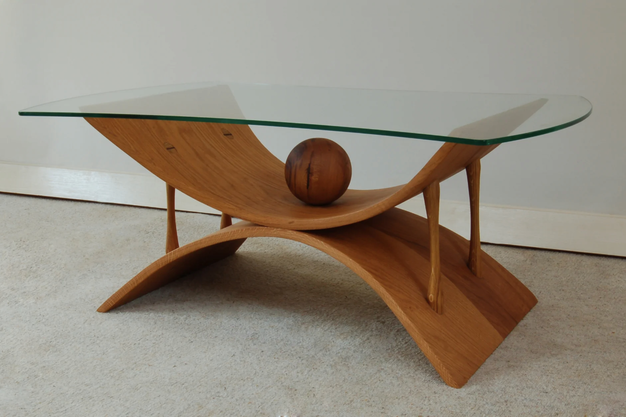
Dylan Pym Balance coffee table, available for commission, £1,800 (guide price)
Parker Knoll, founded 150 years ago, remains a stalwart of British furniture, producing bespoke chairs, armchairs, and footstools in Nottinghamshire. Meanwhile, smaller studios such as Melissa Girling's in Newcastle upon Tyne emphasise traditional techniques, creating custom pieces from sustainably sourced timber. Across Scotland, Angus Ross crafts both interior and garden furniture using locally felled hardwood, employing his own steam-bending techniques to create unique, sculptural forms.
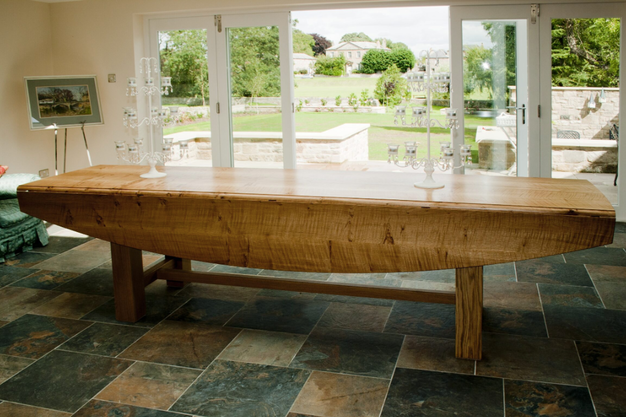
Other makers, like Ashford Blake and Butterfly Furniture, focus on bespoke wooden tables and heirloom-quality bedroom and kitchen furniture, often combining traditional joinery with modern precision tools. Similarly, Dylan Pym in Suffolk produces commissioned pieces with a focus on distinctive curved designs and hand-finished detailing. Brands such as Ercol in Buckinghamshire continue to integrate technology and traditional craft, offering mid-century designs that remain popular decades after their initial creation.
 © Butterfly Furniture
The diversity of British furniture extends beyond wood. Cello Electronics continues to produce LED televisions in the UK, while Solidwool innovates with British wool and bio-resin for furniture and materials. Companies like Lorfords Contemporary and Neville Johnson showcase bespoke upholstery and fitted furniture, often for luxury interiors, blending artistry with precision. Meanwhile, makers such as Soane, SofaSofa, and Robinson of England maintain traditional methods in rattan, upholstery, and leather, producing heirloom-quality pieces designed to last generations.
The British furniture scene also celebrates unique artisans like Iseabal Hendry, who combines steam-bent wooden sculptures with woven leatherwork, and Novocastrian, which transforms steel and brass into bespoke lighting, mirrors, and chess tables. Even in the remote Orkney Islands, Kevin Gauld produces handwoven straw and timber chairs that preserve crofter traditions while appealing to collectors and museums. From historic brands to rising stars, the UK's furniture makers continue to blend sustainability, craftsmanship, and design innovation, ensuring that British-made furniture remains highly sought after both domestically and internationally.
Source: www.thetimes.com