

Saudi Arabia is forging a new architectural identity, one that harmoniously bridges ancient traditions and bold innovation, sustainability and landscape. As part of an ambitious national initiative, the country is embracing design that reflects its cultural heritage while redefining its future urban landscape.
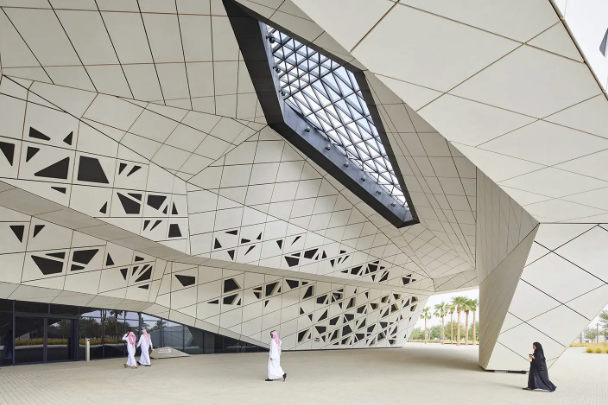 © Hufton+Crow
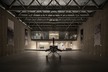
Zaha Hadid Architects, KAPSARC – King Abdullah Petroleum Studies and Research Centre, Riyadh, Arabia Saudita, 2017.
Crown Prince Mohammed bin Salman recently announced a programme aimed at integrating local building traditions with contemporary development. The initiative introduces the Saudi Architecture Characters Map, which identifies 19 regions across the Kingdom, detailing their landscapes, architecture, and vernacular methods. It also establishes flexible design guidelines in three macro-categories, traditional, transitional, and contemporary, encouraging creativity while safeguarding authenticity.
This vision comes to life through a selection of projects by leading international architecture studios that have engaged deeply with the Saudi context.
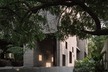
In AlUla, the Italian firm Giò Forma Architects, in collaboration with Black Engineering and CRAFT, designed Design Space AlUla, the region's first permanent gallery. Made from corten, concrete, and glass, it draws on local "windbreak portal" typologies and mashrabiya-inspired patterns that ensure ventilation and shade, merging function with poetry.
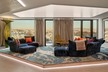
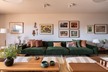
Nearby, AW2 Architecture & Interiors created the Banyan Tree AlUla Resort, a project inspired by Bedouin nomadic architecture. Built with compressed earth bricks and tensile structures, it "camouflages" into the desert landscape, offering continuity between interior and exterior spaces.
In Riyadh, Zaha Hadid Architects' KAPSARC (King Abdullah Petroleum Studies and Research Centre) embodies energy efficiency and spatial innovation through a modular cellular system. The project has achieved LEED Platinum certification, positioning it among Saudi Arabia's most sustainable buildings.
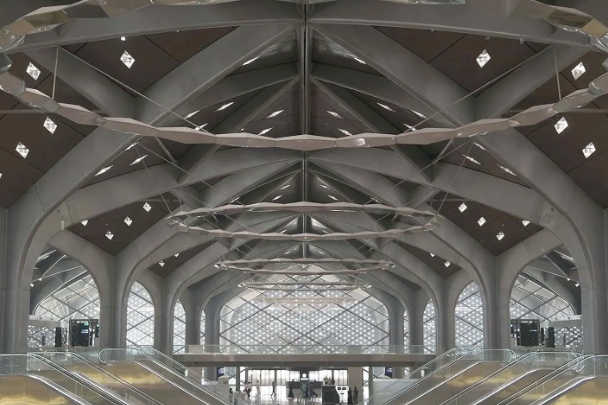 © Nigel Young
Foster + Partners, Al Haramain Line Railway Stations, Arabia Saudita, 2017.
Other significant works include Syn Architects' Shamalat Cultural Center, which transforms a raw-earth house into a creative hub; Foster + Partners' Al Haramain Railway Stations, reinterpreting Islamic arches through high-tech engineering; and Schiattarella Associati's Diriyah Art Futures, a digital art complex that reconnects urban and natural landscapes.
Completing this architectural panorama, Snøhetta's Ithra – King Abdulaziz Center for World Culture in Dhahran stands as a monumental complex of interlocking volumes — a beacon for research, culture, and creativity.
Together, these projects narrate Saudi Arabia's evolving design story — a dialogue between heritage and modernity, where architecture becomes both a tool for cultural continuity and a vision for the future.
More information:
Salone del Mobile.Milano
Salvatore Peluso
www.salonemilano.it