

Bangladesh's furniture industry is aiming to boost exports to $500 million within five years, driven by technology adoption, design innovation, and sustainable production. The government plans to introduce a temporary duty-free bonded warehouse facility for partial exporters, easing the cost burden of importing raw materials and enhancing global competitiveness.
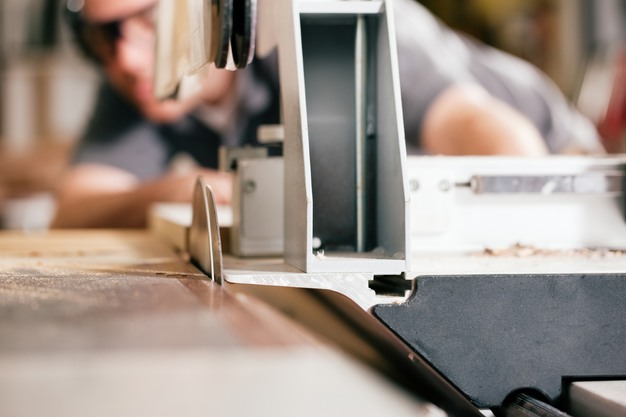 © Arne9001 | Dreamstime
Selim H Rahman, Chairman of the Bangladesh Furniture Industry Owners Association (BFIOA) and HATIL, stated that the facility could significantly lower production costs, enabling exporters to act proactively and potentially triple export volumes. The sector faces challenges including outdated production methods, lack of automation, limited design innovation, and inconsistent adherence to international standards.
Bangladesh's domestic furniture market is valued at around Tk30,000 crore, growing 10–20% annually, yet exports remain modest at $110 million. Experts suggest adopting Vietnam's model of industry-friendly policies, modern machinery, and export incentives to achieve global competitiveness.
Sustainable practices, including eco-friendly production, FSC-certified timber, and waste recycling, are essential for international market acceptance. Currently, around 25 companies export furniture, with HATIL leading and others including Otobi, Regal Furniture, and Navana contributing.
The industry employs approximately 2.5 million people across 40,000 enterprises. With improved technology, design, and policy support, Bangladesh aims to expand its export base, attract global buyers, and establish itself as a significant player in the international furniture market.
Source: www.tbsnews.net