


For Generation Z, the home has overtaken clothing as the primary stage for self-expression. According to recent figures, consumer credit for furniture in Europe reached €2.6 billion in 2024, up 5.8% on the previous year, underscoring how domestic interiors are now central to spending priorities.
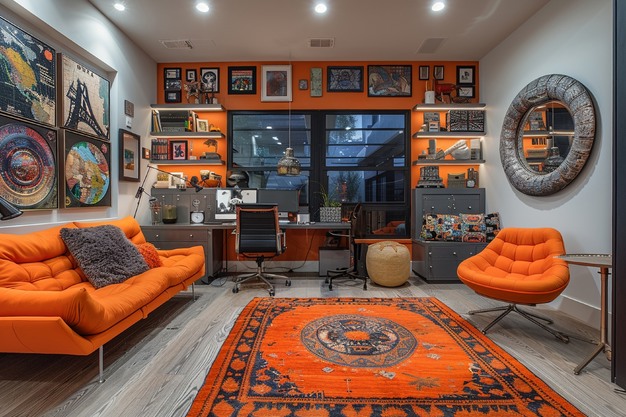 © Benzoix | Dreamstime
Analysts describe this as the "fashionisation of the home", with sofas and tables carrying the same symbolic weight as iconic handbags. The global luxury home décor market, now worth $144.35 billion, is forecast to grow at an annual rate of 5.17% until 2034.
This cultural shift has prompted fashion houses to extend into interiors. JW Anderson has moved into lifestyle products, Ann Demeulemeester has collaborated with Serax on porcelain and lighting, and Rick Owens has produced ultra-luxury furniture. Meanwhile, brands such as Tekla have reached younger audiences with collaborations including Jacquemus and Stussy.
Mass retailers have also responded. Ikea has tapped into the trend with viral designer collaborations, from Virgil Abloh in 2019 to a recent capsule collection with Instagram-favourite Gustaf Westman. The aim is to make interiors "as accessible as fashion" for a generation that increasingly views the home as both status symbol and identity marker.
Source: www.nssmag.com