

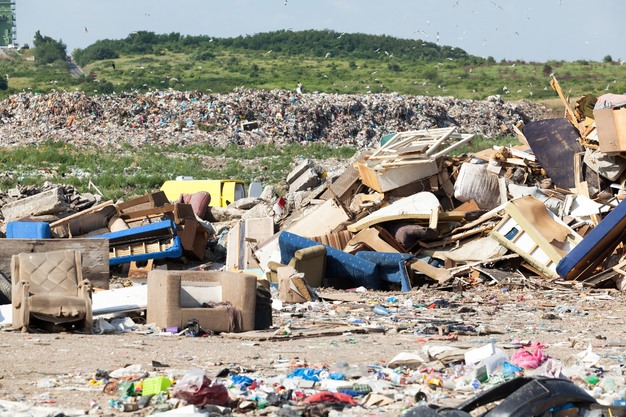
The furniture industry is driving a mounting waste crisis, with millions of usable sofas, chairs and tables ending up in landfill each year. Campaigners warn that mass-produced "fast furniture" promotes a disposable culture, leaving England with fewer than seven years of landfill capacity for non-hazardous waste.
 © Wellphotos | Dreamstime
According to Sandrine Zhang Ferron, founder of resale platform Vinterior, the appeal of low-cost, short-lived products masks their environmental cost. She argues that vintage and second-hand furniture offer both sustainability and individuality, with each purchase diverting materials from landfill and reducing carbon impact.
However, the global resale furniture market, valued at USD 34 billion in 2023 and projected to reach USD 56.7 billion by 2030, remains overshadowed by giants such as IKEA, which alone generated €45 billion in turnover in 2024.
Zhang Ferron contends that while consumer tastes are shifting towards "individuality, conscience, and craft", progress is too slow. She calls for a cultural shift in which pre-loved furniture is viewed as the default choice. 'We don't need to manufacture the future from scratch,' she said. 'The pieces already exist.'
Advocates insist that adopting resale at scale is essential if society is to "reclaim the past" and avert further environmental damage.
Source: www.lbc.co.uk