

South Korea's exports remained resilient in August despite mounting pressure from U.S. tariffs, according to the latest analysis by ING. Official data showed exports rising 1.3% year-on-year, with daily shipments up 5.8% once adjusted for working days, signalling steady underlying demand.
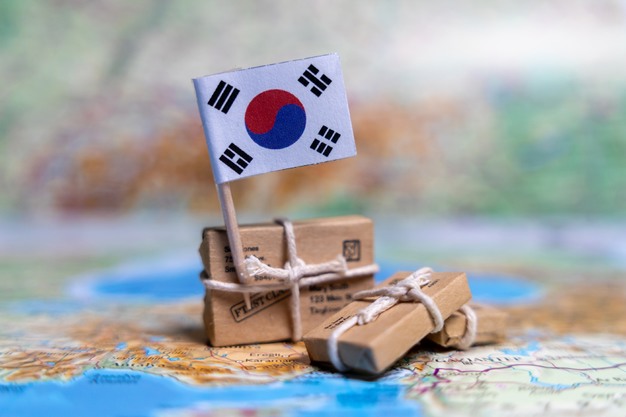 © Alina Vytiuk | Dreamstime
"August exports remained solid," ING reported, citing strong global demand for AI-driven semiconductors, which surged 27% for the sixth consecutive month. Vehicle exports also grew 8.6%, driven by electric and hybrid models, while shipments to the European Union gained momentum. However, exports to the U.S. fell 12%, reflecting the adverse effects of tariffs on cars and auto parts, although semiconductor exports, which are tariff-exempt, increased.
Exports to China declined 2.9%, with goods rerouted to other Asian markets amid China's domestically focused recovery. Meanwhile, petrochemical and petroleum exports continued to weaken, down 18.7% and 4.7%, respectively, due to low global prices and oversupply.
Looking ahead, ING expects robust export figures in September due to pre-Chuseok holiday demand, followed by a sharp dip in October. "We are concerned that the export growth has been narrowly focused," the report noted, warning that vehicle exports could soften and petrochemical markets remain volatile.
On the fiscal front, South Korea is preparing for an expansionary budget in 2026, with spending projected to rise 8.1% year-on-year compared to the original 2025 plan. The largest increases target R&D (+19.3%) and industry transition (+14.7%), alongside notable gains in social welfare and defence spending. "Strong R&D and industry support will boost growth in 2026," ING stated, maintaining its GDP growth forecast at 1.8% for the year.
The Bank of Korea is expected to cut rates in October, with easing inflation and stricter mortgage rules reducing pressure from housing market risks.
The 2026 budget proposal will now proceed to the National Assembly, where approval is anticipated by year-end under the ruling Democratic Party.
This combination of resilient trade, targeted fiscal stimulus, and expected monetary easing underscores a cautious but optimistic outlook for South Korea as it navigates global trade headwinds and domestic economic challenges.
More information:
ING
www.think.ing.com