
The rise of home working has made creating functional and stylish study corners an essential part of modern living spaces. Architects and designers are exploring innovative ways to integrate workspaces into living rooms, bedrooms, hallways, and mezzanines, ensuring both productivity and aesthetic appeal.
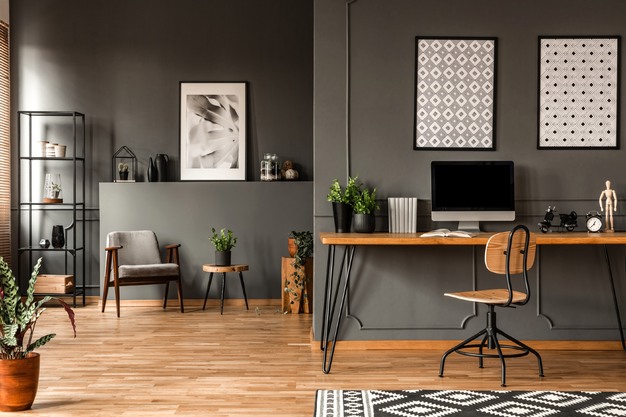 © Bialasiewicz | Dreamstime
Archiportale highlights several approaches, from utilising niches and corners with compact desks and seating, to retractable solutions like drop-down worktops and pull-out tables, allowing spaces to remain flexible and uncluttered. Multifunctional furniture, such as the Penelope 2 Board and Wally systems by Clei, and wooden flap-door desks by Lago, transform from storage units into workstations when needed.
Integration into open-plan areas is also popular, with desks flowing into bookcases or serving as room dividers, as seen in projects by Kohlrabi and Design Haus Liberty. Classic writing desks remain relevant, combining timeless appeal with practical function, while designers like Jooca Studio and GTV emphasise material contrasts and innovative surfaces.
Greenery is increasingly incorporated to enhance concentration and well-being, exemplified by Zanotta's Albero planter and Cavour desk, creating a balance between nature and functionality. Bedrooms and mezzanines are also being adapted, providing private and efficient spaces. Overall, modern home office design prioritises versatility, ergonomics, and the seamless integration of work into daily life.
Source: www.archiportale.com