

The European retail sector experienced a year of contrasts in 2024, with moderating growth and significant shifts in consumer behaviour, according to the latest NIQ Geomarketing study. The report, which examines key retail indicators across multiple European countries, highlights evolving market dynamics influenced by inflation, geopolitical tensions, and demographic changes.
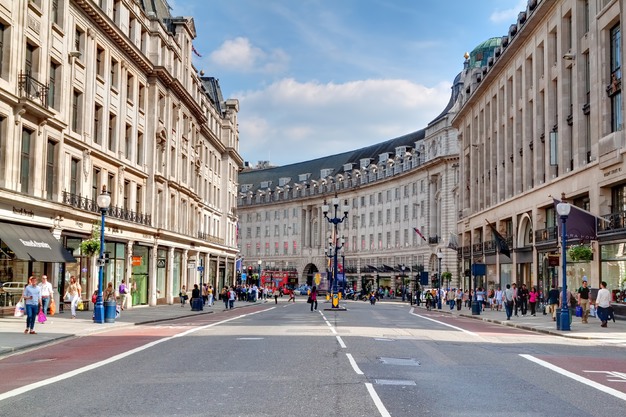 © Kmiragaya | Dreamstime
In 2024, purchasing power across the EU grew by 3.0%, reaching an average of €21,008 per capita. However, this marked a slower pace compared to the strong gains of the two previous years. Overall, residents of the 27 EU member states had approximately €9.5 trillion at their disposal for spending.
Retail turnover growth also slowed, rising just 3.0% after a robust 5.5% increase in 2023. Eastern Europe saw the strongest gains, with Romania leading at +14.9%, while Estonia recorded a 1.3% decline due to political uncertainty and weakening consumer confidence.
The share of private consumption spent on retail continued its downward trend, falling to 32.6% in 2024. Germany posted the lowest retail share, with only one in four euros spent in the sector, while Croatia led the bloc with 48.0%.
'Retail remains a central component of consumption in the EU, even as its share continues to decline. Consumer confidence has remained fragile since the pandemic, with many Europeans concerned about their country's economic outlook. Inflation, rising living costs, and climate change rank among the top concerns and are driving more cautious spending behaviour,' said Philipp Willroth, Study Lead, NIQ Geomarketing.
Inflation showed signs of stabilisation, averaging 2.6% across the EU, with Romania posting the highest rate at 5.8% and Lithuania the lowest at 0.9%. The 2025 forecast anticipates a further decline to 2.3%.
Generational shifts are also reshaping European retail. Generation X (44–59) holds the highest purchasing power and is more open to new products, while Millennials (28–43) prefer at-home experiences. Generation Z, meanwhile, is driving convenience-focused spending, often opting for food-to-go. Baby Boomers (60+) remain the most cost-conscious, favouring private labels and promotions to manage budgets.
The study, available as a 24-page downloadable PDF, provides detailed insights, maps, and charts for industry professionals seeking to navigate these evolving trends.
More information:
NIQ Geomarketing
www.nielseniq.com