
U.S. builders remain heavily reliant on Canadian softwood lumber despite tariffs on imports reaching 35.19% in August 2025, more than double the 14.40% rate earlier this year. The duties include 20.56% anti-dumping and 14.63% countervailing charges.
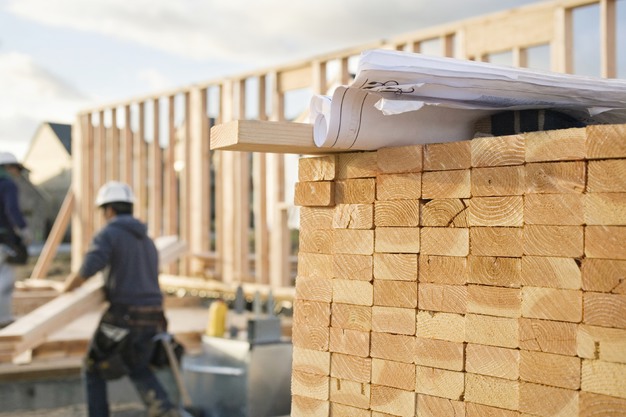 © Dpproductions | Dreamstime
Dealers say the dependence is driven not by quality but by grading rules. Canadian SPF (spruce-pine-fir) and American SPFs are graded differently, and many construction specifications mandate Canadian SPF specifically. This leaves suppliers with little flexibility.
Eric Murphy, purchasing and marketing manager at East Coast Lumber & Building Supply Company and incoming president of the New Hampshire Retail Lumber Association (NHRLA), stated: 'We're seeing the specifications in project plans leave us with no real choice. Over time, it's pushed us to the point where we now only stock Canadian SPF.'
The U.S. already buys nearly 70% of Canadian softwood lumber exports, and the trend towards Canadian SPF in specifications is deepening that reliance. The NHRLA is advocating for state legislation that would prioritise American SPFs when pricing and performance are comparable. Without reform, industry leaders warn that U.S. dependence on Canadian lumber will continue to grow even as tariffs climb to historic highs.
Source: www.globalwood.org