

The global Ready-To-Assemble (RTA) furniture market is on a strong growth trajectory, projected to reach USD 26.4 billion by 2033, according to a recent study by DataHorizzon Research. The market, valued at approximately USD 15.8 billion in 2024, is expected to expand at a compound annual growth rate (CAGR) of 5.9% from 2025 to 2033, driven by urbanisation, space optimisation demands, and the growing appeal of DIY culture among millennials and Generation Z.
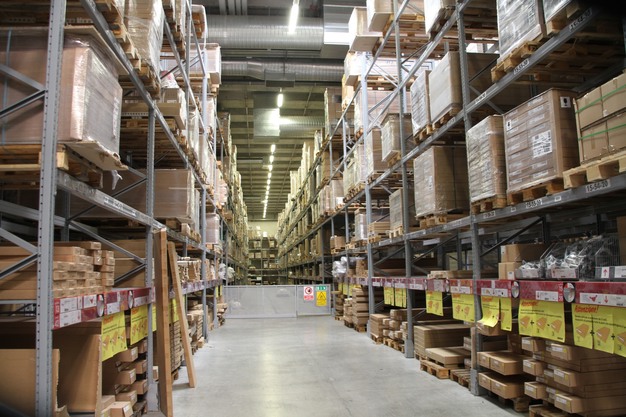 © Pxlxl | Dreamstime
The evolution of RTA furniture from simple flat-pack items to sophisticated, design-focused solutions reflects a broader shift in consumer expectations. 'This substantial growth trajectory reflects the market's evolution from basic flat-pack furniture to sophisticated, design-forward solutions that rival traditional assembled furniture in both aesthetics and functionality,' the report notes.
RTA furniture has become a versatile solution for urban living, where smaller apartments and frequent relocations increase demand for flexible, space-saving furnishings. The sector benefits from technological innovations, e-commerce proliferation, and supply chain improvements that reduce shipping costs while ensuring product integrity. Environmental awareness is also boosting demand, as RTA furniture generates lower transportation-related carbon emissions and increasingly incorporates sustainable materials.
Key product segments driving the market include storage solutions, office furniture, and bedroom sets, with home office furniture experiencing notable growth due to the rise of remote working. Consumers are increasingly prioritising quality, aesthetic appeal, and assembly convenience over cost alone, reflecting a more sophisticated approach to purchasing decisions.
The competitive landscape features both established furniture brands and specialised RTA manufacturers. Companies are diversifying distribution through omnichannel strategies, blending online platforms with retail partnerships to enhance accessibility.
'Urbanisation represents the primary catalyst, as increasing numbers of consumers relocate to metropolitan areas where apartment living and frequent moves make traditional heavy furniture impractical,' the report observes. The study highlights the appeal of affordable, stylish, and reconfigurable furniture among younger consumers, alongside e-commerce-facilitated access, innovative packaging, and DIY engagement as key growth drivers.
Emerging trends are reshaping the industry, including smart furniture integration with features such as wireless charging and LED lighting, sustainable materials like bamboo and recycled components, and modular designs that adapt to changing spaces. Advanced assembly systems, including magnetic and tool-free solutions, are making furniture easier to construct, while augmented reality tools allow customers to visualise placement before purchase, reducing returns.
Regionally, Europe shows sophisticated demand influenced by Scandinavian design preferences and strong environmental consciousness, while Asia-Pacific is the fastest-growing market, fuelled by rapid urbanisation and rising disposable incomes. North America remains a significant market due to mobility, e-commerce infrastructure, and consumer familiarity with assembly-required products.
The report anticipates continued innovation in design, smart technology integration, and sustainability initiatives, with companies investing in research and development to meet evolving consumer needs. Digital tools such as virtual showrooms and personalised recommendations are also expected to reshape the shopping experience.
DataHorizzon Research concludes that the RTA furniture market's growth is closely aligned with urbanisation, remote work, and generational preferences for flexible, affordable home furnishing options, presenting long-term opportunities for both manufacturers and consumers.
More information:
DataHorizzon Research
[email protected]
www.datahorizzonresearch.com