
The Philippines' economy demonstrated steady growth in the second quarter of 2025, driven primarily by a surge in goods exports, according to the latest analysis by ING. Despite this resilience, domestic demand showed signs of weakening, prompting expectations that the central bank will proceed with interest rate cuts later this year as inflation remains subdued.
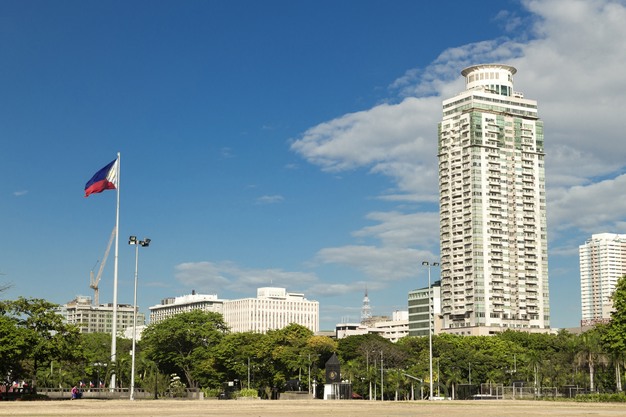 © Aldar Darmaev | Dreamstime
The country's GDP growth rose by 5.5% year-on-year in Q2, matching ING's forecast and slightly exceeding consensus estimates of 5.4%. However, this headline figure conceals a slowdown in key domestic drivers. "Government spending and investment both weakened compared to the first quarter," with investment growth halving to 0.7% year-on-year and government spending contributing only 1.5% to overall growth.
The positive growth surprise stemmed largely from robust export performance. Net exports added 0.1 percentage points to GDP growth, reversing a 2% year-on-year drag experienced in Q1. Goods exports jumped by 14% year-on-year, fuelled by electronics, manufactured goods, and gold, while import growth slowed to 2.7%, suggesting significant front-loading of shipments ahead of tariffs.
Agriculture and services sectors also supported growth momentum. Agriculture, accounting for 7.5% of GDP, grew strongly at 7% year-on-year, driven by record farm output. The services sector expanded by roughly 7%, with professional and business services leading the way.
However, manufacturing growth remained subdued at 2.7% year-on-year, despite positive manufacturing PMI readings throughout 2025. ING highlights that "a lot of re-exports could perhaps be driving the surge rather than domestic production," indicating underlying challenges in the domestic manufacturing base.
Looking forward, private investment is expected to remain cautious, potentially weighing on growth, while consumer spending may stay resilient amid falling inflation and tight labour markets. Export growth is projected to slow in the second half of the year in line with regional trends. ING also notes the importance of "the pace of infrastructure project execution" as a key determinant of growth prospects.
Inflation in the Philippines remains subdued. Consumer price index (CPI) inflation recorded a notably low 0.9% year-on-year in June, largely due to lower food prices despite adverse weather conditions. Transport inflation stayed negative, benefiting from eased global crude oil prices.
ING anticipates a gradual rise in inflation but expects "contained domestic rice prices and a reversal in oil prices" to keep CPI inflation subdued overall. The Bangko Sentral ng Pilipinas' (BSP) recent commitments to "intervening more actively in the FX markets to contain currency volatility" are also expected to mitigate imported inflation pressures.
Given the low inflation environment and persistent downside risks to domestic growth, ING maintains its outlook for monetary easing, forecasting "two more 25bp rate cuts in August and the fourth quarter, ending 2025 at 4.75%." The analysis asserts that "the relative strength in today's GDP growth data will not deter the BSP from cutting rates further."
More information:
ING Global Markets Research
www.think.ing.com