
Germany's inflation rate slowed to +2.0% in June 2025, marking its lowest level since October 2024 and showing continued signs of easing pressure on the economy. According to the Federal Statistical Office (Destatis), this downward trend is mainly driven by declining energy and food prices, though services remain a source of inflationary pressure.
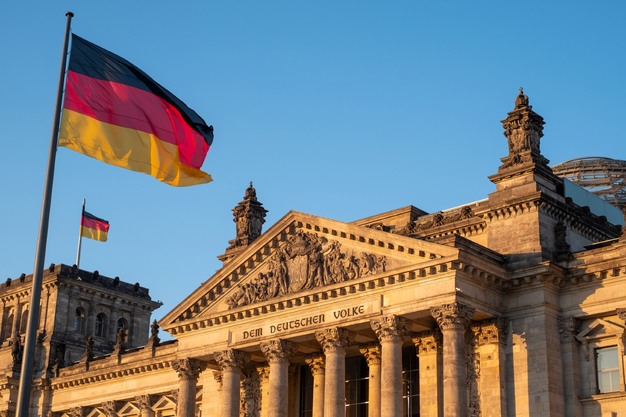 © Leklek73 | Dreamstime
'The inflation rate weakened slightly again in June, reaching its lowest level in the first half of the year. In addition to the continued decline in energy prices, food prices in particular declined,' said Ruth Brand, President of Destatis. 'In contrast, the above-average increase in services continued to drive inflation.'
This moderation in inflation offers encouraging news for the interior and furniture industries, which are heavily reliant on stable energy costs, supply chain inputs, and consumer spending. According to Destatis, prices for energy products fell by 3.5% compared to June 2024, with substantial declines noted in light heating oil (-5.6%), electricity (-2.4%), and household energy (-2.8%).
The consumer price index (CPI) remained flat compared to May 2025 (0.0%), suggesting short-term pricing stability across broad consumer categories — a critical factor for manufacturers and retailers in the home and interiors sector. Furniture, lighting, appliances, and household accessories saw a modest year-on-year increase of just 0.1%, highlighting resilience in durable goods pricing amid wider inflationary trends.
While food prices still rose 2.0% year-on-year, this was a slowdown from the previous month (+2.8%). Price surges were recorded in fruit (+7.4%), sweets (+5.3%), and dairy (+3.6%), although vegetables dropped by 3.0%, including potatoes (-11.2%).
However, services inflation remains elevated at 3.3%, led by transport (+11.4%), social services (+8.5%), and insurance (+8.1%). This could impact contracted services in the built environment, from logistics to after-sales and delivery.
The core inflation rate (excluding food and energy) stood at +2.7%, reflecting enduring price pressures in areas less sensitive to market volatility — a critical indicator for businesses planning long-term purchasing strategies.
As energy and food price volatility diminishes, Germany's economic trajectory could bring greater predictability to B2B operations, purchasing cycles, and material sourcing across the European interiors and design ecosystem.
More information:
Destatis
www.destatis.de